How the Steel Industry Can Boost Its Marketing Strategy: Innovative Ideas for 2025
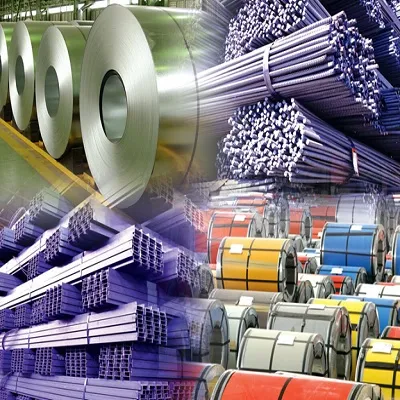
The steel industry has traditionally relied on business-to-business (B2B) relationships, reputation, and trade shows to drive growth. But in today’s fast-paced digital era, industries of all kinds, including steel, must rethink their marketing strategies to stay competitive. Whether you're promoting structural steel, specialized alloys, or custom fabrication services, standing out is more crucial than ever.
Even tools you wouldn't immediately associate with industrial sectors, like a free printable flyer maker, are playing a bigger role. They allow businesses to craft professional-grade marketing materials quickly and cost-effectively, essential in an era where agility matters.
This article dives into modern marketing strategies tailored for the steel sector, providing practical insights and real-world examples to help you stay ahead.
Why Steel Companies Need to Modernize Their Marketing
It’s no secret that traditional industries often resist change, and for understandable reasons. But digital transformation isn't just a buzzword; it’s becoming necessary for survival. Research shows that over 70% of B2B buyers now fully define their needs before engaging with a sales representative. This means your online presence, your messaging, and your brand image are influencing decisions long before a meeting ever happens.
Ignoring these shifts could mean losing out on significant new business opportunities, especially with younger decision-makers entering the market.
Key Trends Reshaping Industrial Marketing
- Content-Driven Sales: Buyers expect educational content like case studies, white whitepapers, and blog posts to inform their decisions.
- Personalized Communication: Generic marketing materials are out; tailored messaging wins trust faster.
- Visual Storytelling: Visuals, such as infographics, videos, and dynamic product showcases, are becoming critical in complex sectors like steel production.
Understanding and adapting to these trends will position your company for future success.
Actionable Marketing Strategies for Steel Companies
Ready to modernize your approach? Here are proven strategies you can start implementing today.
1. Invest in High-Quality Visual Content
Steel might be strong and heavy, but your marketing shouldn't be. Crisp photos of finished projects, behind-the-scenes videos of fabrication, and 3D animations of products in use can captivate potential clients. According to a HubSpot survey, video content generates 66% more qualified leads per year.
Pro Tip: Use drone footage to showcase large-scale projects like bridges or skyscrapers. It’s eye-catching and showcases your capabilities in a fresh way.
2. Embrace Downloadable Resources
Offering free downloadable materials like product spec sheets, project case studies, and even printable flyers can drive engagement. Using a free printable flyer maker tool allows you to quickly create high-quality flyers for trade shows, direct mail campaigns, or in-office displays without investing heavily in design services.
Best Practice: Add QR codes to your flyers linking to landing pages or videos for a seamless offline-to-online customer journey.
3. Strengthen Your SEO Game
If you're not showing up when someone searches for "steel fabrication near me" or "custom steel beams," you're invisible to a large part of your market.
Action Steps:
- Optimize your website with industry-relevant keywords.
- Create educational blog content around search queries your potential customers use.
- List your business on Google My Business and relevant industry directories.
Bonus Tip: Don’t overlook local SEO; it’s crucial if you offer regional services.
4. Tap Into LinkedIn's B2B Potential
LinkedIn is where decision-makers hang out. Having an active, professional presence there can boost your visibility and credibility.
Quick Ideas:
- Share updates about major projects.
- Post articles about industry innovations.
- Use LinkedIn Ads to target procurement managers, architects, or contractors.
Research suggests that B2B marketers who prioritize LinkedIn are 2x more likely to achieve higher lead conversion rates.
Emerging Technologies You Should Know About
The steel industry is no stranger to innovation in production and materials. Marketing innovation should follow suit. Here are a few tech tools that can boost your efforts:
- Augmented Reality (AR): Allow clients to visualize steel structures in their real environment before fabrication.
- AI-Driven Chatbots: Provide instant responses to common inquiries, improving customer experience.
- Marketing Automation: Nurture leads over time with personalized email drip campaigns.
Exploring these technologies doesn't just improve marketing efficiency; it shows potential clients that you're forward-thinking.
Real-World Case Study: How a Steel Fabricator Doubled Its Leads
A mid-sized steel fabrication company in Texas recently revamped its marketing strategy by:
- Launching a content-rich blog focused on architecture and construction trends.
- Using free printable flyers to highlight project capabilities at trade shows.
- Running targeted LinkedIn ad campaigns toward construction firms.
The result? Within 12 months, the company reported a 95% increase in inbound leads and secured two contracts worth over $1 million each.
If a mid-size company can achieve that, imagine the possibilities for your business.
Final Thoughts
The steel industry is strong, but its marketing needs to be nimble. By embracing digital tools, producing compelling visual content, offering value-driven resources like printable flyers, and staying in touch with industry trends, your company can gain a major competitive edge.
The key takeaway? Modern marketing isn’t about replacing the personal relationships that built this industry; it’s about enhancing them through smarter, faster, and more engaging communication.
Ready to forge a stronger marketing strategy?
 Media Pack Download
 Newsletters
 Industrial Events