The Future of Steel Manufacturing: Trends and Emerging Technologies
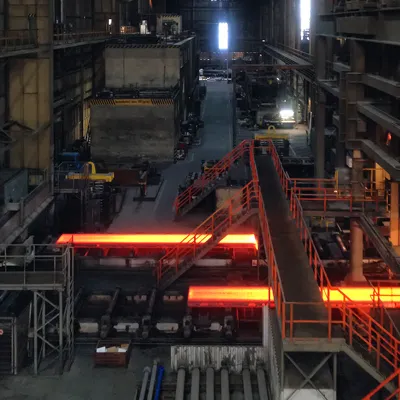
Industrial development depended heavily on steel manufacturing throughout centuries because this metal shaped both physical structures and transportation systems along with various other industrial sectors. Steel manufacturing experiences revolutionary changes because society now transitions toward sustainable practices and effective methods and digital advancements. The steel manufacturing industry proceeds toward a sustainable future through technological improvements and green alternatives in addition to innovative product development methods. What shapes await the traditional industry that has existed for many centuries? The steel industry will face 21st-century challenges and needs adjustments to accommodate them. This article examines the transformative trends along with developing technologies that will transform steel manufacturing operations.
The Rise of Green Steel: A Step towards Sustainability
Environmental issues stand as one of the critical problems within the steel production sector. The manufacturing process of steel at present uses massive amounts of energy that leads to substantial release of carbon dioxide into the atmosphere. The steel industry produces about 7 to 9 percent of all CO2 emissions present in the global environment. Steel manufacturing companies seek carbon reduction strategies because environmental standards increase and sustainable product demands from consumers continue to grow. The game-changing production of green steel occurs when blast furnaces utilize hydrogen instead of coal in their manufacturing process. SSAB together with ArcelorMittal and Thyssenkrupp invest large sums of money in hydrogen-based direct reduced iron (DRI) technology that dramatically reduces steel production emissions while making steel industries more environmentally friendly. The steel industry transition toward sustainability appears possible with these current developments.
The Shift towards Electric Arc Furnaces (EAF)
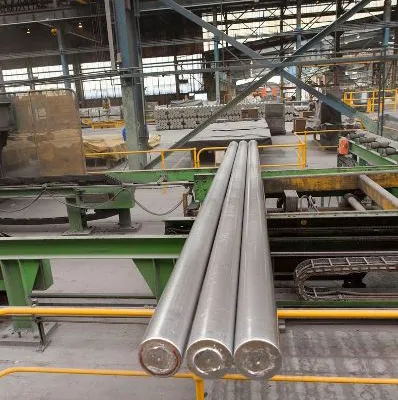
Steel manufacturers now adopt electric arc furnaces (EAF) as a rising trend in their operations. EAFs outperform blast furnaces because they combine electrical power and steel scrap materials to create lower carbon emissions throughout production. The growing access to renewable power sources including wind and solar installations makes electric arc furnaces more usable. Does the transition to circular economic principles mark EAFs as the leading technology for steel manufacturing since they maximize resource efficiency while cutting waste?
Artificial Intelligence and Automation: The Smart Steel Revolution
Artificial intelligence (AI) and automation systems create substantial changes in steel manufacturing operations. Through AI-powered predictive analytics the manufacture can optimize furnace temperatures along with reducing energy usage and improving quality control results. Manufacturing operations on production floors became more efficient and protected workers through the implementation of automated robots. By processing enormous data sets machine learning algorithms both detect production flaws as well as provide instant recommendations to fix them. AI and automation continue their development pattern to potentially result in steel plants that function independently of humans.
3D Printing: A New Era in Steel Fabrication
The disruptive production technology known as 3D printing and also called additive manufacturing jerks steel manufacturing processes into uncharted directions. The current steel manufacturing techniques use complicated manufacturing and welding methods which create substantial material loss during production. Through 3D printing manufacturers solve two problems by building complex steel components layer-by-layer and cutting waste while enhancing their design options. The aerospace field together with automotive and construction sectors adopt 3D-printed steel components because they deliver exceptional strength and accurate results. The industry anticipates whether 3D printing will supersede traditional steel fabricating systems or if it will combine with them to generate a better production system.
Nanotechnology: Making Steel Stronger and More Durable
Through nanotechnology steel obtains enhanced strength characteristics and improved durability as well as reduced weight. Scientists are working on developing nano-coated steel which proves resistant against corrosion and heat effects while also resisting wear. The innovative solution proves beneficial mainly for infrastructure construction alongside automotive production sectors because durability requirements are paramount. Utilizing steel with carbon nanotubes improves material strength as well as conductivity which expands growth opportunities in mechanical and electrical engineering fields. What are the maximum performance enhancements nanotechnology can achieve with steel materials?
The Emergence of Smart Steel and IoT Integration
Smart steel represents a prominent developing trend which influences the manufacturing of steel in the future. Steel elements that integrate sensors and IoT components can monitor their own stress levels and temperature states and structural integrity throughout the entire duration of operation in real-time. Real-time failure detection through this new technology becomes vital for bridge construction and engineering because it allows prevention of dangerous structural failures.
The adoption of smart steel for safety and maintenance needs faces potential barriers because of high expenses.
Recycling and Sustainable Sourcing: The Drive for a Circular Economy
Recycling together with sustainable sourcing practices will lead the development of steel in the future. The steel industry presently directs efforts toward increasing its intake of recycled materials to diminish its need for fresh raw materials. Advanced sorting technologies together with cleaner recycling techniques enable the production of steel with high quality from secondary materials. Biochar stands as a promising alternative to coke because steel producers increasingly implement it for use in blast furnaces. Does steel manufacturing require any traditional mining operations when both recycling programs and bio-based components become completely dominant?
Geopolitical and Economic Influences on Steel Manufacturing
Geopolitical circumstances together with economic conditions strongly shape the future outlook of the steel industry. Raw material availability together with production costs both suffer from challenges created by trade policies and supply chain disruptions as well as implemented tariffs. The pandemic revealed weaknesses in worldwide supply networks which forced steel producers to search for new production methods and digital supply chain systems near their facilities. Shifting geopolitical environments may create conditions that make regional steel self-sufficiency standard operating practice for the industry.
Research and Development: The Key to Future Innovations
The steel manufacturing industry currently dedicates its highest financial investment to research and development through innovative partnerships between steel companies and technological firms and research institutions together with government bodies. Manufacturers improve metallurgy through continuous innovation and develop strong alloys while expanding their production technologies. The governments from around the world create economic benefits for steel producers to adopt modern green manufacturing processes which minimize waste and maximize operational efficiency. These collaborative efforts will define the steel industry future while specific geographic areas will establish themselves as global leaders of steel innovation.
The Road Ahead: Challenges and Opportunities
The path of steel manufacturing development presents both demanding situations along with promising potentials. Steel producers need to establish a sensitive equilibrium among preservation of the environment with operational effectiveness and technological improvement. Surging industrial disruption through emerging technologies requires steel manufacturers to pursue innovation as their survival strategy in modern fabrication business.
The steel industry demands knowledge regarding how effectively they can transform their operations into sustainable and efficient systems.
Conclusion: A New Era for Steel Manufacturing
Steel exists as an indispensable material which continues to define present-day world development. The future production and utilization and recycling patterns of steel will experience major changes over the next few decades. Present choices made by the steel industry during this critical juncture will shape its development that will span multiple coming generations. Time has arrived to watch the emergence of a revolutionary steel production system.
 Media Pack Download
 Newsletters
 Industrial Events