Automation and Chain Systems in the Modern Steel Plant
Introduction:
In the current competing world, steel industry is very hard and the margins between companies are very low i.e. to survive, a company has to innovate. Automation and chain systems are changing the face of steel production through accuracy, workmanship, effectiveness, while at the same time expanding potential market opportunities and environmental capability. In the case of B2B stakeholders, it is important to comprehend those technologies in order to make a proper decision and guarantee the business stability in the future.
Integration of Automation complemented by appropriate chain systems assures the delivery of steels to the global market in the most efficient way possible, while the plants observe quality and environment concerns. This article aims at discussing their roles, advantages, limitations, and opportunities for development in the steel production network.
The Role of Automation in Steel Manufacturing
A major transformation in the structural processes of steel production through the integration of automation and robotics, smart sensors and AI-driven analytics. These innovations simplify many processes, eliminate the mistakes and make the best use of the available resources.
Core Advantages of Automation:
1. Enhanced Operational Efficiency: Automated systems can be made to run all the time, which means the shutdown services and the errors made by people.
2. Improved Product Quality: Temperature control, material, and their shaping process contribute much to the overall performance, with little variation from one product to the other.
3. Workplace Safety: It will also be safer since the plant extracts risky tasks such as the handling of molten metals from the working environment.
4. Sustainability Goals: Automation eliminates wastage and use of energy thereby putting into practice the world standards of production.
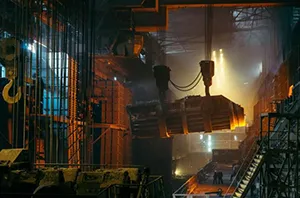
Applications in Steel Plants
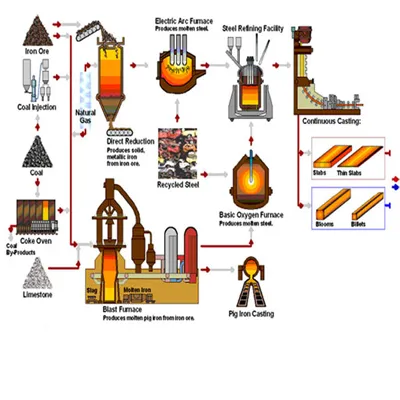
• Blast Furnaces: Through automation, there is no measurement issue when it comes to raw materials, fuel consumption will be optimal, and regulated temperatures.
• Continuous Casting: Robotic arms and artificial intelligence are used in the monitoring processes in solidification to minimize defects.
• Rolling Mills: Many manufacturers adjust rolling parameters with the help of automation devices, so thickness and dimensions of products match.
• Inspection and Quality Control: High-quality optical cameras or sensors and artificial intelligence analyze the surface imperfection or inconsistencies and prompt remedial actions.
| Also Read: Overcoming Supply Chain Issues in Steel Technology |
Chain Systems: The Backbone of Steel Plant Logistics
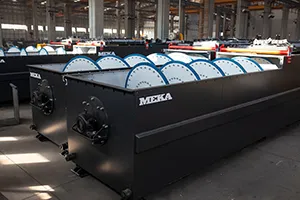
Some of the crane systems that exist and are so crucial in material handling involve the supply of the necessary framework required in moving large quantities of throughput in a safe and efficient manner from one production cycle stage to another.
Key Types of Chain Systems
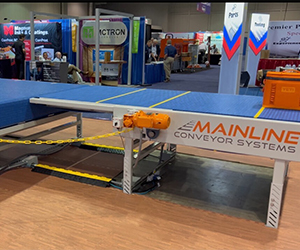
1. Conveyor Chains: These systems convey raw materials including coal, iron ore and limestone and finished goods such as steel slabs and coils.
2. Drag Chain Conveyors: Most suitable for large volumes of material, such systems perform best where space is limited, and loads are heavy.
3. Scraper Chains: These rollers are typical of hot dig areas and are used for snagging and aiding fluent processes in post-production zones.
4. Transfer Chains: Being utilized in rolling mills and finishing segments, transfer chains are employed for efficient transportation of semi-finished products.
Benefits of Chain Systems
• Efficiency: Stress or load carrying capacity and continuous running do not cause interruptive production times.
• Durability: Anticipating severe temperature conditions and highly corrosive atmosphere common to steel production facilities.
• Customizability: These chain systems can be modified to suit the layout of any plant and the different needs that a production line has.
Integration of Automation with Chain Systems
This has given impetus and put the option of the chain systems plus automation as a strong feature that makes steel plants. Combined in this fashion, they form a tightly coupled and self-timed application environment optimally balancing gross throughput with power consumption and time-out.
Synergy in Action
• Real-Time Monitoring: Smart sensors fixed on chains as well as conveyors monitor key performance indicators including speed, load, and any sign of wear.
• Predictive Maintenance: Uses data obtained from sensors to diagnose potential mishaps hence avoid the incidences that may cause the vehicles to stall.
• Energy Efficiency: Automation of chains regards the necessary number of chains as load through the capacity to control speed and power, saving energy in low-load situations.
• Flexibility: Modular designs allow for easy reconfiguration, supporting production scale-ups or changes in plant layouts.
Challenges in Implementation
Despite their transformative potential, automation and chain systems pose certain challenges that steel plants must address:
a. High Capital Investment: The investment factor, whether to acquire and integrate these systems are high and more so for facilities that may be relatively small or relatively old.
b. Integration Issues: Organizations realize that their few systems are incompatible with today’s automation technologies, a situation that requires significant investment.
c. Workforce Adaptation: Switching to automatic systems call for replacing the workers with other new ones albeit with some form or another of training which disrupts the normal flow of business.
d. Maintenance Complexities: Some complex systems require an expert’s touch for maintenance, and getting such expertise may be quite a challenge.
Solutions for Seamless Adoption
Steel manufacturers can overcome these challenges through strategic planning and partnerships:
Phased Implementation: As with any process, it is better to start automation specifically with areas that would yield the most benefits which include material handling and quality control before automating other areas of the line.
Collaboration with Experts: Engage technology companies for solutions that complement existing systems in order to creating synergistic relationships.
Comprehensive Training Programs: Incorporate the employees to run and sustain complex systems to avoid disruption.
Financial Planning: Government grants and subsidies should be utilized for green and automated technologies to help address startup costs.
Emerging Trends in Automation and Chain Systems
The steel industry is continuously evolving, with new trends shaping its future:
1. AI and Machine Learning
Modern algorithms address production management schedules, monitor operation performance, and suggest changes.
2. Digital Twins
Digital twins of plants enable the manager to develop alterations and experiment without interrupting operations.
3. Collaborative Robots (Cobots)
Cobots primarily assist human workers during the undertaking of a particular task whilst providing precision together with flexibility.
4. Green Technologies
The word automation today encompasses environment friendly measures such as energy efficient motors and chains which are intended for low carbon emissions.
5. Blockchain Integration
To B2B stakeholders, blockchain provides the transparency of where raw material and finished goods have come from for increased trust in the food chain.
Why B2B Stakeholders Should Prioritize Automation
For businesses in the steel industry supply chain - such as equipment providers, raw material suppliers, or logistics partners - automation represents an opportunity to:
• Increase effectively for meaningful customer connections in the way of person for resolving their issues via better technological support solutions
• Show efficiency with operations and delivering value through cost saving measures.
Conclusion:
Increased use of automation and chain systems can no longer be seen as a luxury in the modern steel plant; its use is a necessity for the plant to remain competitive. The use of such technologies, therefore, enables manufacturers to realize efficiency, safety and quality that is unheard of.
In the pursuit of smart green operation, it is necessary for the stakeholders within this industry to accept change, train and develop human capital, and appropriate these emerging trends for long term survival in the global market.
 Media Pack Download
 Newsletters
 Industrial Events