Green Steelmaking Technologies: Paving the Way for a Low-Carbon Future

The molding of steel has been key in the industrial revolution over the past few centuries contributing material needs in infrastructure, manufacture and products in our everyday lives. However, the methods used in steel production up to date are very much ruinous since they use big amounts of carbon that releases great extents of greenhouse gases in the atmosphere. The emergence of environmentally sustainable technologies has become inevitable since the world is transitioning, and green steel technologies can be seen as the best approach toward the reduction of carbon footprint in steel production. This article discusses such innovative technologies and their possibilities to help set a new low-carbon world.
Understanding Traditional Steelmaking
In order to understand the current advances in production of green steel, one needs to have a peek at conventional methods used in the creation of steel. The best known method, blast furnace or BF process, applies the process of smelting by using coke, a form of carbon, as a fuel. This process also produces a lot of Carbon dioxide (CO2) because of combustion of coke and from the chemical reactions. The Electric Arc Furnace or EAF method is comparatively more efficient and less hazardous to the environment than the BF process, but here also electric energy is used and may be generated from fossil energy and hence causing emissions.
What is Green Steelmaking?
Green steelmaking can therefore be defined as the utilization of new generation technologies and processes whose main objective is to minimize or even completely eliminate the emission of CO2 in the process of steelmaking. The aim is to produce steel more sustainably, quite regularly with the means of some alternative energy sources, technologies or recycling.
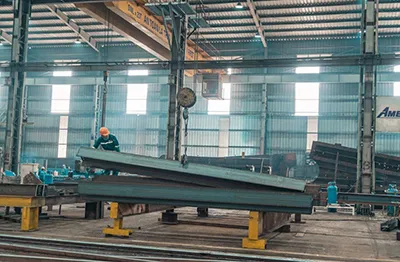
Through these green technologies, the use of green energy in the steel making processes, the industry hopes to achieve its objective of reducing it emissions and fulfilling the global climate targets.
Key Green Steelmaking Technologies
Hydrogen-Based Steelmaking
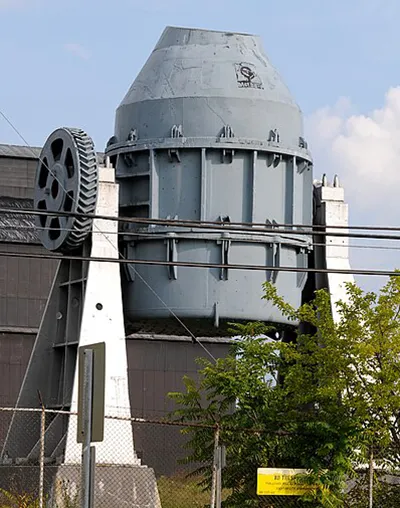
Hydrogen-based steelmaking is, therefore, one of the most prominent examples of effective green technology. This approach removes coke and instead, the process uses hydrogen gas in making of steel. For example, when hydrogen burns with iron ore, the end products formed are iron and water vapour and not CO2. The technique referred to as Direct Reduced Iron (DRI) or Hydrogen Direct Reduction has the possibility of bringing the overall CO2 emission in steelmaking to zero.
However, it is worth to note that the efficiency of this kind of technology depends on the green hydrogen which is generated from the renewable energy sources.
Electrification of Steel Production
The process of bringing electricity in the place of fossil fuel or the efforts made to implement it is known as electrification of steel production. Electric Arc Furnaces (EAFs) are being used today but future refinements in this area could bring emissions down even even lower. Currently the calculations show that by using renewable sources of power including wind, solar, or even hydroelectric power the carbon intensity in the EAF process can be significantly reduced. Incorporation of carbon capture and storage (CCS) is also made possible through electrification which involves capturing of CO2 emissions in an effort to reduce the overall emissions.
Carbon Capture and Storage (CCS)
CCS stand for Carbon Capture and Storage hence the CO2 emissions that are produced when steel is produced are captured and either disposed deep in the ground or reutilized in another industrial processes. The usage of this technology is suitable for Blast Furnace as well as Electrical Arc Furnace operations. CCS does not remove the emissions but it lowers the quantity of CO2 emitted in the environment. Relative to green steelmaking, aspects such as better capture rates, and a variety of enhanced ways of storing carbon are critical to the success of CCS technologies.

Recycling and Circular Economy
Steel recycling has been considered as the most powerful way of cutting down on emissions within the steel industry. A fact worth noting is that steel is an easily recyclable and can be recycled limitless number of times with little or no compromises to its quality. Scrap steel thereby used in Electric Arc Furnaces (EAFs) decreases on the raw materials needed and thus emissions. Also, considering the life cycle of the steel products followed by using a circular economy, where steel products are used again and recycled helps to cut down the total carbon emission level in producing steel.
Alternative Reductants
Studies are going on in order to find out other choices for coke which are also used in steel industries. For example, the reagents used with bio-based materials include biomass or biochar for reductions. These alternatives may offer a long-term solution as compared to coke which is produced from fossil fuels.
Their production and incorporation as part of production processes in the manufacture of steels remain an active area of research and offer potential for the lowering of emissions.
Challenges and Future Prospects
The progress of green steelmaking technologies is enormous, but there are hurdles to cross while green steel is by far the bulk of the focus in the green industrial wave, there are difficulties. These include the cost parameters such as the cost of implementing new technologies required, cost on infrastructural developments and the availability of renewable energy sources. Thus, the steel industry has to engage policymakers, IT developers, and its stakeholders to innovate and ramp up the green technologies.

Nonetheless, the prospects of green steelmaking are upbeat, given the effectiveness of the technologies opposed to the traditional process mentioned above. New technologies, greater investment in research and development and polices could fasten the process towards development of low carbon steel. In its current development, the industry will be an indispensable factor in meeting climate goals around the world and the construction of a sustainable future.
Conclusion
Technologies applied during the steel production are however enhancing green steelmaking through provision of workable techniques to cutting pollution. Ranging from hydrogen production for steelmaking to carbon capture and recycling these breakthroughs are making the low-carbon future possible. However, more needs to be done and the only way to achieve this is by continued advancement and implementation of green technologies that can enable the steel industry become environmentally friendly. Currently, the globe is adopting green solutions to some of the world’s most pressing problems and green steelmaking is at the forefront of this shift.
 Media Pack Download
 Newsletters
 Industrial Events


Author Bio: