How Quality Workwear Improves Safety on Steel Construction Sites
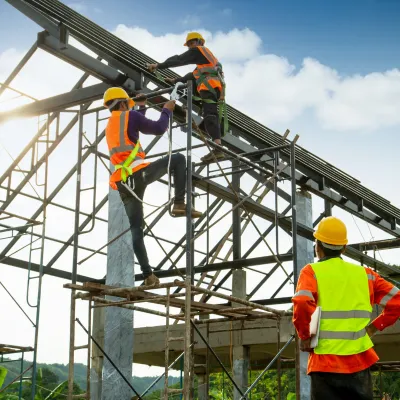
The Bureau of Labor Statistics (BLS) reported 1,075 construction fatalities in 2023, the highest of any industry, while OSHA’s 2024 data indicates an 11% decline in worker deaths nationwide compared to the previous year. Steel construction sites are hazardous due to heavy machinery, falls, and unstable structures. Wearing safety gear and adhering to proper safety procedures are essential to driving these figures down and creating safer working conditions.
Understanding Safety Workwear on Steel Construction Sites
Steel construction sites are inherently dangerous environments, where the role of PPE cannot be overstated. Mitigating that risk requires education, good training, and utilization of high-quality personal protective equipment (PPE) tailored to address the specific hazards of this environment.
There are a few core types of safety workwear that are essential on any site. They are:
- Hard hats to protect from impact and falling debris.
- Cut-resistant gloves for steel handling or leather gloves for welding.
- Earplugs or earmuffs are used to safeguard hearing while operating on or near heavy machinery or tools.
- Safety goggles to shield the eyes from debris, dust, projections, and more.
- Reflective high-visibility clothing to provide visibility, even in low-light conditions.
- Steel-toe boots with slip-resistant soles and ankle support.
- Flame-resistant clothing protects against burns from fires or sparks while welding or cutting steel.
Common Risks and Hazards Faced by Steel Workers on Steel Construction Sites
Steelworkers face a mix of hazards in their day-to-day environment. Some of the dangers to look out for include:
- Working on elevated platforms, roofs, or beams is standard practice on steel construction sites. Falls, slips, or trips due to cluttered walkways and uneven ground are all too common.
- Welding and flammable materials can lead to burns, while jagged steel can result in cuts.
- Operating and maintaining heavy machinery is another common source of injury.
- Loud noises from machinery and tools can cause permanent hearing damage.
- Lifting heavy materials and performing repetitive motions can be the root of Musculoskeletal Disorders (MSDs).
- Exposure to fumes, dust, chemicals, and heavy particles is linked to respiratory illness.
- Falling objects or swinging loads can bring about injury and death.
- Extreme weather conditions can result in a variety of conditions, such as dehydration or frostbite.
The presence and severity of these risks will change from site to site. However, no steel construction environment is safe without following safety protocols and using high-quality workwear.
Best Practices for Selecting and Using High-Quality Workwear on Steel Construction Sites
Selecting high-quality workwear depends on the environment and the dangers it contains. We’ve listed the essential items you’ll need for any steel construction site above. However, depending on the site and the scope of work, you may need to account for additional or more specialized risks.
Here are some steps that you can take to select and use workwear on your steel construction site.
1. Perform a thorough risk assessment and identify the particular hazards present on your site. Where possible, seek workers' input, as they can provide helpful insights into what's actually happening on-site.
2. Look for workwear that meets or exceeds OSHA standards. Don’t think in terms of meeting regulations; instead, consider it as a way to protect your workers from injury.
3. Workwear quality and materials are vital considerations in providing maximum protection in a steel construction environment.
In terms of what to look for in equipment, the following list should act as a reasonable guide.
- Look for durable and long-lasting equipment. For example, explore high-grade fabrics that can resist tears or punctures.
- Consult your risk assessment and select appropriate flame-resistant clothing.
- Account for changing environments and look for workwear that is breathable and water resistant.
- Prioritize comfortable and well-fitting workwear to ensure compliance.
- Consider gloves that provide protection but without compromising on dexterity.
- Invest in reputable American-made brands with well-rated gear. Compromising on quality could cost you or your workers in the long run.
- Ensure workwear meets American National Standards Institute (ANSI) standards.
4. Obtain accurate employee measurements so that you can order appropriate sizes. Order enough equipment so that you can rotate workwear to account for repairs and cleaning.
5. Schedule regular workwear checks to ensure goods remain safe and fit for purpose. Where possible, provide facilities for cleaning workwear. Additionally, establish a system where workers can report any issues with their workwear so you can swiftly repair or replace the faulty or degraded items.
High-quality workwear is an investment in the safety of your workers and your site. Taking safety seriously helps you set an example for others to follow.
Regulations and Safety Standards on Steel Construction Sites
Occupational Safety and Health Administration (OSHA) determines and enforces federal workplace safety standards. There are specific steel construction regulations within the OSHA framework called 1926 Subpart R - Safety and Health Regulations for Construction.
Within these regulations, there are clear standards for PPE and work gear. Some equipment is mandatory; others are content-dependent. For example, each employee must wear:
- ANSI-rated hard hats.
- Steel toe cap boots with puncture-resistant soles.
- High visibility vests
Depending on the situation, employees should have:
- Goggles, safety glasses, or face shields for specific tasks.
- Hearing protection equipment for areas with high noise levels.
- Appropriate gloves for handling steel.
- Welding helmets and flame-resistant clothing for steel cutting and welding.
- Respiratory protection for welding and tasks that emit fumes and hazardous materials.
What’s important to note here is that it is the employer's responsibility to:
a) Provide appropriate work gear.
b) Ensure work gear is used correctly.
Failure to comply can land employers in hot water and result in compensation claims, fines, or sanctions. Additionally, negligent employers can expect higher insurance costs and even reputational damage, which could hinder their ability to bid for contracts or contract good workers.
Future Trends and Innovations in Workwear for Enhanced Safety
The future of enhanced safety workwear will offer a mix of practical design and high-tech innovation. Some of the things to look out for include:
- The adoption of military-grade fabrics that provide incredible protection against cuts and flames while still being lightweight, comfortable, and suitable for a wide range of weather conditions.
- Self-healing fabrics that can repair themselves when cut or exposed to chemicals.
- Smart fabrics with embedded sensors to monitor vital signs and environments.
- Augmented reality goggles that project blueprints, environmental information, or safety protocols directly into the worker's field of vision
- Exoskeletons can reduce worker injury by supporting heavy lifting and a range of repetitive motions.
- Durable and well-designed workwear that is flexible enough to look good on the site and be worn socially.
 Media Pack Download
 Newsletters
 Industrial Events




Author Bio:

Nick Warrick
Sales Manager
Nick Warrick is the Sales Manager at All Seasons Uniforms. With over 15 years of experience in the work uniform business, he has worked with over 100 clients across 20 different industries. Holding bachelor’s degrees in both Business Administration and Information Technology, Warrick revamped the company’s online presence, offering its customers a new uniform shopping experience.