Safety First: Choosing the Right Uniform to Protect Workers and Enhance Productivity
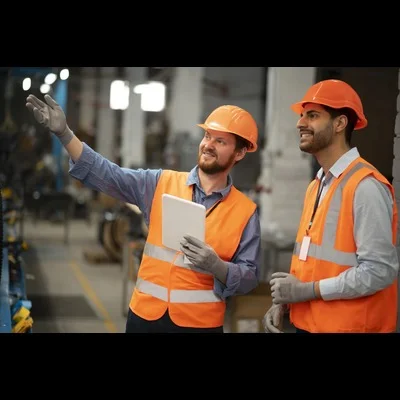
About one in four American workers, 23 percent according to Gallup, pulls on some kind of uniform before clocking in. If your team is part of that group, the kit you put them in is doing more than you might think. The right uniform protects people from the hazards of their trade and, almost as a side effect, helps them work better. The wrong one does neither.
The Role of Protective Workwear in Worker Safety
A lot of uniforms double as personal protective equipment, and that overlap is the entire point. Workers have leaned on this kind of clothing for generations, and how protective equipment supports workplace safety comes down to one simple idea. It is built to do a job that goes well beyond covering the body. Three benefits stand out.
Less contact with hazardous materials
Purpose-built workwear keeps skin away from the things that burn, corrode, or stain it. Chemical-resistant coveralls shrug off splashes of solvents and acids. Flame-resistant fabrics, such as treated cotton or aramid blends worn around furnaces and welding arcs, resist ignition rather than melting onto the wearer. The garment becomes the first barrier between a worker and a bad day.
Room to move
Fit matters as much as fabric. A uniform cut for the job lets people reach, crouch, and climb without fighting their own clothes, while still keeping them properly covered. Gusseted sleeves, articulated knees, a little stretch in the weave: small details that turn “covered up” into “able to actually work.”
Fewer injuries
That freedom of movement feeds straight into fewer injuries. Someone who isn’t twisting against a too-tight jacket is less likely to lose their footing, and close-fitting cuffs and hems give moving machinery nothing to grab. Slips, trips, falls, snag points: a well-designed uniform quietly takes the edge off all of them.
How the Right Uniform Lifts Productivity
Protection is only half the story. A uniform also shapes how people work, and the effect on day-to-day productivity tends to be bigger than managers expect. It shows up in three ways.
It flips a switch into “work mode”
There’s a reason athletes talk about “putting on the kit.” For a lot of workers, pulling on the uniform flips a mental switch: home is behind you, the shift is in front of you. That focus isn’t just a nice feeling. An engaged, switched-on worker makes fewer mistakes, and fewer mistakes mean fewer accidents.
It pulls a team together
Matching kit does something subtle to a crew. Everyone dressed the same reads as everyone on the same side, and that sense of belonging loosens people up to talk, swap tasks, and cover for one another. The payoff isn’t only speed. Teams that communicate easily misread each other less often, and on a busy floor a misread instruction is exactly how accidents start.
It lifts morale
Give people gear that genuinely protects them and lets them do the job well, and they notice. It reads as an employer who has thought about their safety and their comfort. That goodwill is hard to fake and easy to feel, and people who feel looked after put more into the work.
Common Types of Work Uniform and What They’re For
That 23 percent covers an enormous range of jobs, and the uniforms vary just as much. A few of the most common categories show how closely the clothing tracks the work.
Industrial
Industrial work usually calls for a sturdy work shirt, short or long sleeve, paired with matching pants. Both are cut from a tight, hard-wearing weave that survives repeated wear and washing without giving up comfort.
Automotive
Automotive work starts from a similar base and builds up for the conditions. A heavy jacket handles a drafty garage or an open-air lot, and coveralls often take the brunt of heat, oil, and harsh chemicals so the worker doesn't.
Welding and hot work
Welding and other hot work demand flame-resistant layers above all else. Treated cotton or aramid jackets, aprons, and pants shrug off sparks and radiant heat, and they resist ignition instead of melting against the skin the way a synthetic would.
Heavy manufacturing and foundries
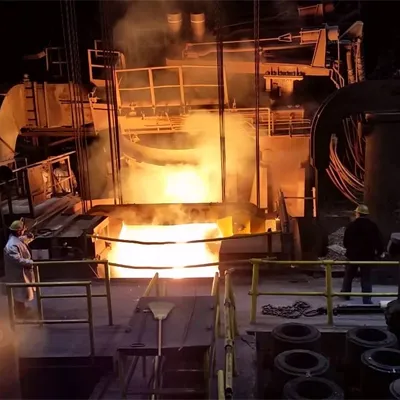
Work near furnaces, molten metal, and heavy machinery leans on those same flame-resistant fabrics, reinforced at the points that take the most abuse. Snug cuffs and hems give moving parts nothing to catch, and high-visibility detailing helps crews keep track of one another on a crowded floor.
What to Weigh When Choosing a Uniform
Whether the job calls for coveralls or a welding jacket, the same handful of questions decides if a uniform earns its keep.
Safety, first
Safety leads, every time. Start from the hazards of the specific role and make sure the garment actually covers them: enough skin protected, and the right resistance to the chemicals or hot surfaces that particular job throws at people.
Fabric
Fabric is where that safety is won or lost. The goal is material that protects without turning the shift into an endurance test, breathable enough to wear for ten hours and tough enough to mean it. Anyone working near open flame needs genuinely flame-resistant cloth, not a synthetic that melts at the first spark.
Color
Color does double duty. A consistent palette keeps a team looking like a team, which is good for the brand, and on a busy site it also makes roles readable at a glance, a small but real contribution to getting work done.
Cost
Cost always matters, and it matters more when you’re kitting out a whole workforce at once. The trap is common: chasing the lowest unit price until quality or protection quietly drops below where it should be. Cheap uniforms that fail early aren’t cheap.
Where Workwear Is Heading
Workwear keeps moving, and a few shifts already underway look set to become standard.
More breathable fabrics
The oldest complaint about workwear, especially in heavy industry, is that it’s hot and heavy. Newer fabrics are closing that gap, pairing real durability with the kind of breathability that used to mean giving up protection.
Sustainable materials
Sustainability is creeping in, too. Some manufacturers already issue workwear spun from recycled fibers, and the expectation is spreading as buyers start asking where the cloth comes from.
A better fit for everyone
Manufacturers are finally accepting that workers aren’t one shape. Wider size runs and more cuts mean fewer people stuck in something that pinches or swamps them. And that loops right back to the start, because a uniform only protects and enables you if it actually fits.
The Bottom Line
A uniform is rarely the first thing on a manager’s list, which is exactly why getting it right is such an easy win. Match the clothing to the real hazards and the real people wearing it, and you cut accidents, lift morale, and get a sharper, steadier team, all from a decision that was going to be made anyway.
 Media Pack Download
 Newsletters
 Industrial Events




Author Bio:

Nick Warrick
Sales Manager
Nick Warrick is the Sales Manager at All Seasons Uniforms. With over 15 years of experience in the work uniform business, he has worked with over 100 clients across 20 different industries. Holding bachelor’s degrees in both Business Administration and Information Technology, Warrick revamped the company’s online presence, offering its customers a new uniform shopping experience.