Steel Meets Innovation: Emerging Technologies Reshaping the Sector
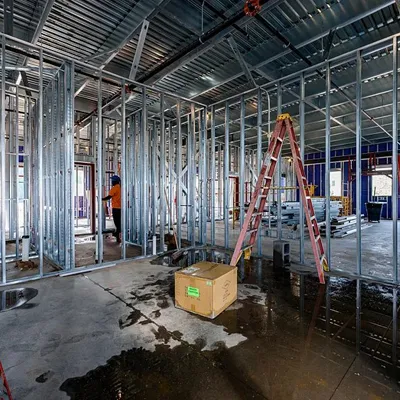
The transformation of the steel industry has been pushed by advances in technology and innovation. Due to the growing demand for sustainability, advanced production, and advanced technology, steel producers are purchasing new technologies to support their success and care for the environment. This article looks at how changes in AI and green steel are impacting the steel industry and those involved in its many stages.
1. Smart Manufacturing and Industry 4.0 Integration
Steel manufacturing has adapted to the effects of Industry 4.0 like the rest of the heavy industry. Steelmakers are benefiting from using smart factory tools to decrease the amount of waste, streamline their production lines, and increase the overall efficiency of their equipment (OEE).
Steel factories count on AI, machine learning, and digital twins to supervise and control every step of the steel-making process. Preventive maintenance using AI helps to detect future issues before they actually happen, thereby cutting costs and time spent on maintenance. For instance, data collected by sensors in the blast furnace and rolling mill is sent to a control unit, which allows processes to be controlled and changed right away.
Using digital twins, companies can rehearse using new methods or equipment virtually before making any factory adjustments. New technologies have enabled steel production to be both speedier and more agile than it has ever been.
2. Artificial Intelligence and Big Data Analytics
AI and big data are transforming the way steel plants handle their operations, quality controls, and logistics. AI is being used to analyze large amounts of data related to raw material and energy, so improvements can be suggested.
Thanks to computer vision, quality control now detects surface flaws and other differences in the material instantly. Decision-support systems fueled by AI allow metallurgists to set and change different aspects to achieve the needed properties in metals.
With predictive analytics, supply chain management organizations can spot when someone’s demand for goods can change, or when the prices of basic materials are likely to move. For this reason, steelmakers can easily modify their manufacturing and inventory, helping to cut costs and making deliveries quicker. Therefore, the supply chain becomes adaptable and can fit any changes that happen in the market.
3. The Rise of Green Steel and Carbon-Neutral Technologies
One of the biggest issues facing the steel industry is the carbon it produces. The process commonly used in steelmaking is a big emitter of carbon dioxide. The industry is responding to stricter climate goals by switching over to cleaner solutions promoted as “green steel.”
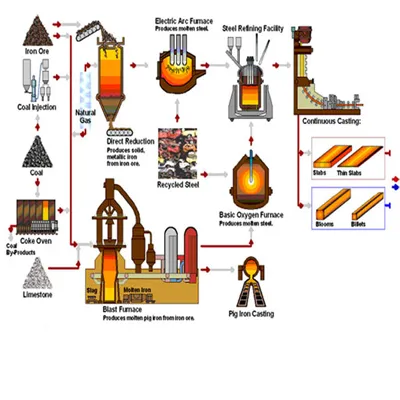
Green steel aims to reduce or remove carbon during the steel production process. Using a further innovation, hydrogen is used in hydrogen direct reduced iron (H-DRI) instead of coke. Several businesses, such as SSAB, ArcelorMittal, and Thyssenkrupp, are currently using H-DRI plants to help steelmaking switch to zero-carbon production using hydrogen.
Among new trends, producing energy through arc furnaces with renewable power allows for low-emission steel recycling. When paired with carbon capture and storage (CCS), these same technologies are bringing the industry closer to reaching net-zero.
4. Additive Manufacturing and Steel 3D Printing
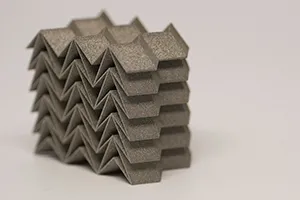
3D printing is being used more in the steel industry for complex parts with excellent performance. Rather than removing material, AM constructs items step by step, wasting less source material and allowing for more freedom in designs.
Because of the characteristically customized, tough, and light parts made by this printing, it is favored by the aerospace, automotive, and medical implant industries. Today, due to new metal powders and laser sintering, we can print steel alloys with the same excellent quality.
Moreover, AM allows production on demand and lowers the need for storing huge inventories.
Companies involved in steel-making are considering hybrid manufacturing, a process that combines 3D printing with traditional machining, for applications in which both the structure and smooth finish matter most.
5. Advanced Alloys and Material Engineering
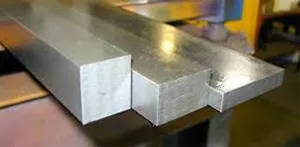
The steel industry is still driven primarily by the development of new materials. Researchers and developers are constantly working on producing stronger steels and alloys that can resist corrosion for the rising requirements from customers.
Using advanced high-strength steels (AHSS) in vehicles allows organizations to cut weight and still keep them safe and strong, so they can work towards greater fuel efficiency and electric car focus. In addition, architects rely on weathering and special steel to build earthquake-resistant structures and ensure the safety of people living in them.
Along with making steel stronger, these new techniques are improving its ability to withstand heat, pass electricity, and be biocompatible, meaning steel can now be utilized in electronics, biomedical instruments, and clean energy.
6. Robotics and Automation in Steel Production
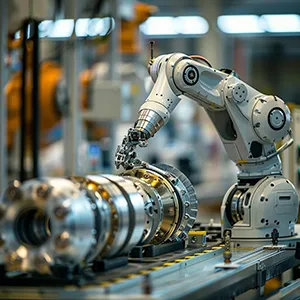
Using robotics and automation has made steel plants much safer, more accurate, and more productive. Moving materials, inspecting areas, and doing maintenance is often carried out with the help of automated guided vehicles (AGVs), robotic arms, and drones.
As an example, the use of robots allows for stopping and cleaning the mold and removing slag, activities that in the past were dangerous and required a lot of effort. Due to the dangers in high temperatures and confined zones, humans are being replaced by robots to reduce the chances of injury.
Automation is helping to make lights-out manufacturing possible, in which there is little need for human workers during production. So, this means the end product is reliable and steel plants can run around the clock while keeping safety and efficiency at high levels.
7. Circular Economy and Steel Recycling Technologies
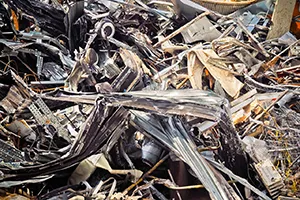
Steel is made to be recycled, and the use of new technical methods is helping it take a bigger place in a circular system. EAFs in modern times are able to melt and refine junk metal while keeping the quality of what they create high. AI-powered and X-ray fluorescence (XRF) scanners are being used to make recycled feedstock much purer.
Besides, several small companies are introducing closed-loop recycling programs into the market, primarily for cars and construction. Car manufacturers are joining forces with steel makers to reuse and recycle steel left over from old cars.
Methods for using waste heat, slag, and recycling water are now implemented to help make the process more environmentally friendly. Besides saving money, these programs meet the requirements of ESG (Environmental, Social, and Governance) that investors and regulators are now asking for.
8. Blockchain for Supply Chain Transparency

Many are studying blockchain as a way to improve the transparency and traceability of the steel supply chain. Blockchain makes this possible by tracking all steel-related events on a ledger that cannot be altered.
As an example, buyers can check if the steel supplied to them is environmentally certified, without conflict links, and supports fairness at workplaces. For defense, construction, and infrastructure industries, being accountable is very important, so this type of information is highly valued.
Furthermore, smart contracts allow buyers and logistics partners to settle payments and make transactions without noticeably exchanging paper documents, scams, and delays. With the increasing complexity of global trade, blockchain might play a crucial role in helping improve trust and efficiency in the steel industry.
9. Digital Platforms and Steel E-Commerce

Buying and selling of steel is being altered by digital advances. Today, online marketplaces are replacing the previous practice of lengthy contracts and manual bargaining in the steel industry.
For example, Metalshub, SteelMint, and eSteel allow producers, distributors, and buyers to communicate and transact easily on the web. This can help small and medium enterprises to sell in new markets more easily.
Firms in the steel business are using combined customer relationship management (CRM) and enterprise resource planning (ERP) tools to improve their order, payment, logistics, and support operations.
As digital adoption picks up, the steel industry is starting to focus more on meeting what customers want and being quicker to respond.
10. Challenges and Future Outlook
Despite all the new ways of doing things, the steel industry still has some big problems to deal with. High costs to start the business, a slow acceptance of new technology, rules from the government, and changes in the prices of materials can slow things down and make it harder to move forward. Additionally, moving to green steel on a wider scale means countries will need to make big changes to their factories, get help from government rules, and work together on new investments.
Yet, the future looks promising. Governments are bringing in carbon taxes, helping to support green steel, and giving out research grants to speed up new ideas and ways to cut down on pollution. Startups and academia are also helping by coming up with new ideas and trying out different types of technology.
As digitization and sustainability keep becoming more important topics in industry, steel companies that quickly adapt to new ideas will do the best in the future. The next decade will probably see a mix of traditional steelmaking skills and new digital technology coming together, helping the industry make stronger, cleaner, and smarter steel.
Conclusion
Even though steel’s history goes far back, it is still very important and useful now. The arrival of AI, robots, green hydrogen, and blockchain is about to bring a big upheaval to the industry. The mix of new ideas and old traditions is helping improve the way steel is made and is also changing the way steel is thought about, bought, and used. For industry leaders, embracing this change isn’t something they can decide to do if they want; it’s what they must do to stay strong and useful in a world where everything and everyone is more connected and focused on the environment.
 Media Pack Download
 Newsletters
 Industrial Events