Steel in Renewable Energy: Applications in Wind Turbines and Solar Structures
In the past few years, the push for developing environmentally friendly sources of energy has boosted the research advancement of renewable energy technologies. Wind and solar energy, particularly, has emerged as the most promising solutions towards the achievement of this objective of less reliance on the conventional sources of energy – the fossils. Core to the framework of these renewable applications is steel, a robust material that is central to windmill construction as well as photovoltaic and thermal applications. The characteristics of steel render it suitable to facilitate the structure of these renewable power systems, and, in the process, guarantee both power reliability and sustainability.
Importance of Steel in Renewable Energy
Steel is one of the most used materials in the whole world because of the qualities like strength, durability and also because they are recycled materials. As for the examples of renewable energy applications, steel readily fits into wind turbine and solar structures where it possesses remarkable features of endurance and flexibility subjected to various grueling environments. Due to properties such as strength and durability, steel can contribute to the enhancement of wind and solar project lifetimes and decrease costs from equipment damage due to weather disturbances endured during project lifetimes.
Steel also aligns with environmentally friendly material because it can be recycled assuming specific characteristics of steel are not compromised it can be recycled and can be used in large scale energy facilities. Based on the strategic directions of the current world to cut emissions and preserve natural resources, it is apparent that the reprocessibility of steel fits the vision of the renewable energy sector.
A. Steel in Wind Turbines
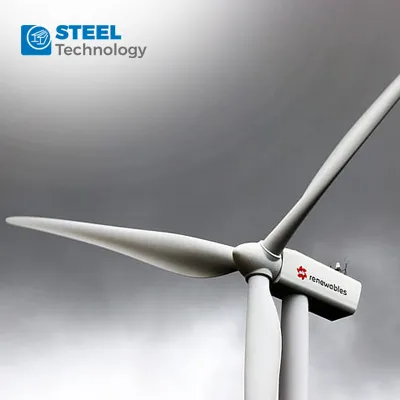
Wind power generators use wind generated kinetic energy to produce electricity. The structure of a wind turbine is tall and sturdy, comprising three main parts: Between the tower, the nacelle and the rotor blades. In these components, steel predominantly prevails in meeting the required strength and stability for its function in the turbine.
1. Wind Turbine Towers
The tower is a vital sub-part of a wind turbine as it bears the nacelle and rotor blade of the turbine. Standard towers are often fabricated from tubular steel since high winds and other weather conditions are likely to be met and this material provides outstanding protection. These towers are normally tubular and thus they provide space to work on the nacelle that is situated on top of the structure. For wind turbines, the blowing wind has to be hit at a good height; hence, the steel is appropriate in providing the necessary support through tensile strength.
The height and the stiffness of such towers are the most important factors in wind energy generation. They asserted that taller tower can capture better winds in higher altitude hence, producing more energy. Sporting high power to weight ratios, these towers can be both tall and sturdy, and hence energy productive while at the same time inexpensive in terms of incorporated steel.
2. Nacelle and Rotor Blades
The nacelle contains the parts that turn wind energy to electrical energy; the generator, gearbox, and the brake. The nacelle must also have great mechanical strength, for it supports the heaviest and most delicate components of the turbine. Steel is used here because it is very strong and capable of absorbing shock, especially that which might harm internal parts or equipment.
Although the rotor blades are fabricated from very light weight material to improve aerodynamics, steel is utilized for blade roots where high strength is desirable. The blade roots are the parts where the blades are connected with the hub and the nature demands them to endure massive amount of stress, as the blades are in constant motion to produce electricity. Steel here plays an important part it forms a platform where the blades have to function while in service even when the wind blows hard.
3. Maintenance and Longevity
The strength is one of the essential qualities when it comes to the wind energy segment; the turbines are meant to run non-stop with limited time required for slaughtering. Wind generators are usually mounted in areas that are hard to access or offshore, and maintenance usually involves a good deal of costs. Because of its low requirement for maintenance and its firstrate resistance to corrosion; the use of steel for such conditions is highly recommended. Due to saltwater corrosion, the steel parts of the offshore turbines are usually coated with a special material that increases the life span of the turbines.
B. Steel in Solar Structures
Solar energy harnesses the sun in ways common in the Photovoltaic systems (PV) or the solar thermal systems. Structural steel is incorporated widely in the structure supporting these systems to enable solar plant structures to be fixed firmly under diverse weather conditions. Solar installations which use steel are mainly ground-mounted solar arrays and rooftop systems, which are defined below.
1. Ground-Mounted Solar Arrays
Utility-scale solar installments are those solar farms that are provided on the ground to capture the highest amount of electricity from the sunlight. Such arrays are generally mounted using steel supports that must be fixed to the ground. Since the frames are meant to hold several panels in position the design of the frames is such that they can effectively withstand blow back forces such as wind or rain. As these installations stretch over wide areas, adopting steel is financially wise and since the material is long lasting.
Moreover, thanks to the versatility of steel, arrays can have very diverse designs when ground-mounted. The other systems employ a tracking mechanism that helps track the position of the sun and hence optimizes the angle of the panels throughout the day. Steel is used in these tracking systems because of strength and ability to support the mechanical members that shift the panels.
2. Rooftop Solar Systems
There is also addition benefit of ventilation metal roofing in rooftop solar system because urban and residential area consists of these system and they require steel base for mounting and support. Due to the limited space on roofs, high strength-to-weight ratio of steel is advantageous in this aspect; the installation of the equipment has to be well secured without imposing additional loads on the building structure. Steel mounts and brackets are used to provide the support for the solar panels at the right tilt for solar exposure with caution on safety and strength.
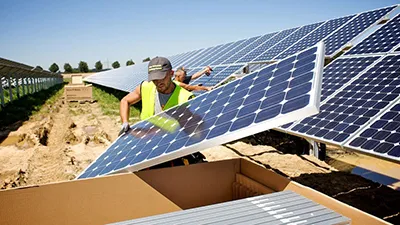
Also, the incorporation of steel in rooftop systems can be complementary to a range of roofing systems, which we will explore further in this paper. Steel mounts may also be adjusted to accommodate varying designs of roofs to enhance the chances of immobilizing the solar panel without compromising the roof. It is convenient in ensuring that solar power is a reality for different types of structure ranging from residential homes to commercial and industrial facilities.
Environmental Benefits and Sustainability of Steel in Renewable Energy
Adding value to renewable energy projects through using steel has environmental benefits that make it attractive to developers. Iron and steel are among the most recycled materials the steel industry has undergone dramatic changes to limit its environmental impact. Contemporary steel production implies the increased share of recycled materials herein, although the advancements in technological aspect made energy efficiency manufacturing a priority.
Integrating steel into renewable energy projects enables the constituent materials to be utilized, reclaimed and utilized once more in accomplishing a cycle and thus optimizing on resource utilization. Such a life cycle management concept is crucial to help in the realization of the low-carbon economy. As a recycled product, steel’s life cycle from production, use and recycling aligns with the overall green energy objective of pulling back on the extraction of virgin ores and minimization of emissions.
Advancements in Steel Technology for Renewable Energy
With the constant growth in the usage of renewable energy sources such as wind and solar, there is a push for higher performance interconnect and construction materials, primarily steel. One of such is the high strength low alloy (HSLA) steel which not only has the benefits of increased strength, less corrosion but also the ability to use less material. This kind of steel is especially applicable in offshore wind turbines, as the conditions require high levels of lastingness because of the marine atmosphere.
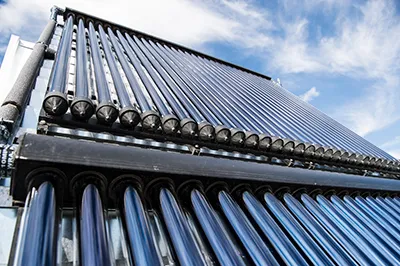
A fairly new trend in the solar structures is the utilization of galvanized as well as weathering resistant steel. While the C&Cs are made of aluminum alloy easy to corrode, the framework is made of galvanized steel coated with zinc teeth which enhances their ability to resist rust as they will installed outside the building to support the installation of solar products. Weathering steel standing a few months in moisture then forms a protective coating to the rest of the outer layer making it to also be used popularly in solar and wind energy structures because of its longevity and it also requires little maintenance.
Steel manufacturers are also exploring hybrid materials that combine steel with other composites to create lighter, stronger, and more durable components. These innovations are essential for making renewable energy systems more efficient and cost-effective, helping to drive the industry forward.
Conclusion
Today’s steel has become critically important for the renewable energy industry especially for wind and solar segments. Because of these qualities, it can be used for establishing stable and durable energy system structures which can effectively perform in various weather conditions. The use of steel by renewable energy projects lower the maintenance cost to higher operational time and contribute to sustainable development because steel is recyclable.
In future, steel will remain an important material in improving the performance and economic viability of renewable energy technologies. New advanced steel technologies and processes such as high strength alloys and protection against corrosion due to prevailing weather conditions are opening up the possibility of enhanced energy assets. The green future and sustainable future are all about clean energy and its productions hence, steel is crucial in renewable energy in creation of infrastructure that supports efficient energy production for the benefits of people.
 Media Pack Download
 Newsletters
 Industrial Events