Electric Arc Furnace (EAF) Steelmaking: The Future of Sustainable Steel Production
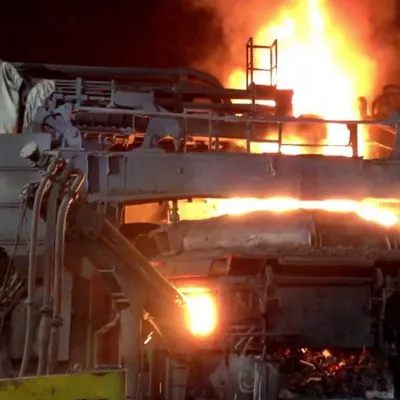
Electric Arc Furnace (EAF) steelmaking has risen to importance during the past few years and stands as the fundamental production approach for future steel manufacturing following increased demands for environmentally tolerant manufacturing practices. The EAF steelmaking process prefers steel scrap instead of the Basic Oxygen Furnace (BOF) by using electricity to produce steel more efficiently with lower emissions.
Electric Arc Furnace Steelmaking Process: Overview
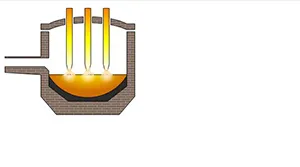
The electrical energy of EAF steelmaking produces heat by forming electrical arcs which results in steel scrap melting. The steelmaking process requires completion of three fundamental stages during its operation.
1. Charging the Furnace – Steel scrap together with Direct Reduced Iron (DRI) gets loaded into the furnace during the charging phase.
2. Melting Phase – High-power electric arcs strike between electrodes to generate enough heat for complete scrap metal fusion to steel.
3. Refining – Oxygen together with other materials enter the furnace through blowing to remove impurities and maintain steel composition.
The EAF process maintains high energy efficiency because steel scrap as well as direct reduced iron represents substantial material used in worldwide steel manufacturing. New producers among steel manufacturers across the world select this technology to establish cost-effective sustainable steel production operations within mini-mills.
Key Advantages of EAF Steelmaking
• Sustainability: The steel production through EAF releases less CO2 than traditional methods thanks to renewable electricity as a power source.
• Energy Efficiency: The Energy Efficiency of the EAF surpasses BOF because it enables reduced operational costs together with lower energy use.
• Flexibility: EAF technology demonstrates high flexibility because it accepts diverse scrap raw materials which enables it to work under changing market demands and material entry constraints.
• Lower Capital Investment: EAF plants demand significantly less startup investments than BOF facilities since they need minimal capital investment which makes them appealing for both upcoming facilities and smaller steel mills.
EAF vs. BOF: A Comparative Analysis
The Basic Oxygen Furnace maintains its position as the global leader in steel production yet the EAF technology continues to increase its market share. The analysis between these methods indicates that Electric Arc Furnaces deliver superior performance in several key areas:
• Material Costs: The operation of EAF depends primarily on scrap steel as its main material while Material Costs remain lower than the iron ore and coke needed for BOF. The prices for scrap steel materials experience changes that affect market rates.
• Energy Requirements: Production of steel through EAF requires less energy to create a tonne of steel than BOF despite its operation efficiency. The facility depends more heavily on electricity prices since these rates demonstrate volatility.
• Environmental Impact: EAF has a minimal environmental impact that becomes even smaller when using renewable power sources for electricity. The total emissions of CO2 from EAF plants decrease substantially below what BOF steel mills create through normal operations.
Technological Advancements in EAF
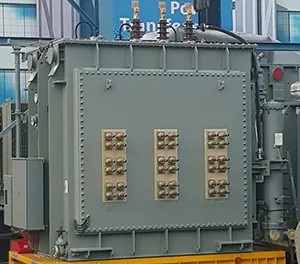
Significant advancements have appeared in EAF operations through recent technical developments in electrode systems and automation systems as well as process enhancement strategies. Notable advancements include:
• High-Efficiency Electrodes: New materials and designs for electrodes have improved durability which increases the furnace life span and decreases maintenance stoppages.
• Automation and AI: Through the implementation of automated systems and AI-based process controls the energy costs decrease while production throughput increases.
• Hydrogen-Powered EAF: A sustainable development path for EAF technology involves using hydrogen as an alternative fuel source known as hydrogen-powered EAF. The substitution of energy sources with hydrogen could accomplish wider carbon emission reductions that would establish EAF as a superior environmentally friendly method for future steelmaking.
EAF and the Future of the Steel Industry
The metal industry projects ongoing development for EAF steel production because manufacturers worldwide are selecting sustainable and cost-efficient production techniques. The leading steel producers operate significant investments to improve their current EAF plants and establish brand-new EAF facilities.
Despite numerous advantages EAF production meets two key obstacles because scrap steel industry dynamics cause instabilities and operating electric arc furnaces demands high energy expenditures. The ongoing energy advancements that include green hydrogen make Electric Arc Furnaces likely to become a central player in global environmental decarbonization efforts.
Supporting Industries and Innovations
The EAF sector needs equipment and service providers who maintain operational effectiveness in steel mills. Market leaders supply innovative technological solutions that optimize EAF operation with their advanced offerings.
• Air Products: The industrial gas firm, Air Products serves as a major provider of solutions that enhance the EAF production process through oxygen injection technology and nitrogen and hydrogen delivery services.
• Vesuvius: The manufacturing company, Vesuvius stands as a leading EAF refractory materials supplier while developing furnace-compatible refractory products for extreme temperatures and corrosive conditions.
• Primetals Technologies: Primetals Technologies develops solutions for electric arc furnace plant automation and design alongside operation optimization software for steel producers to enhance sustainability and operational efficiency.
Conclusion: The Growing Dominance of EAF
The steel industry will move forward with Electric Arc Furnace steelmaking because it offers sustainability features alongside reduced capital costs and energy-efficient operations. The growing market demand for sustainable steel methods will boost the importance of EAF technology because it fulfills global manufacturing requirements through environmentally-friendly practices. To remain competitive in their sector steelmakers need to evaluate EAF benefits together with its forthcoming steel manufacturing prospects.
 Media Pack Download
 Newsletters
 Industrial Events