The Future of Steel: Smart Alloys and Sustainable Manufacturing
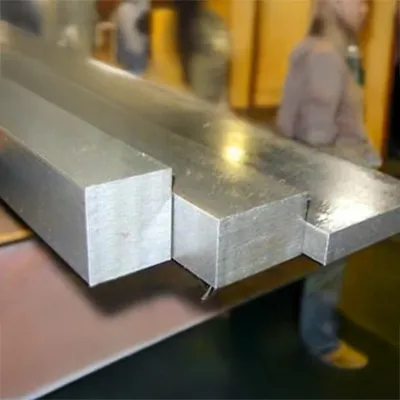
The industrial backbone relies on steel as its fundamental element since it supports both infrastructure foundations and transportation systems and supplies energy networks and consumer items. The steel industry now faces an essential decision point because world demands are moving toward environmental sustainability while embracing digital transformation and climate adaptation. Steel industry development depends on two transformative elements which unite the production of high-performing smart alloys with eco-friendly sustainable manufacturing approaches.
The article examines these dual driving factors that reshaped steels and created pathways toward smart eco-friendly solutions for future development.
I. The Evolution of Steel: From Bulk Metal to Smart Material
A Historical Perspective
The steelmaking process using blast furnace and basic oxygen furnace (BOF) focused on producing steel in large quantities while ensuring durability at minimum cost. Through high-strength low-alloy (HSLA) steel development and stainless steel creation and ultra-low carbon grade implementation the steel industry expanded into new applications during past decades. Most steel innovation has emphasized mechanical durability and corrosion defense together with formability characteristics while ignoring major sustainability and adaptive design features.
Emergence of Smart Alloys
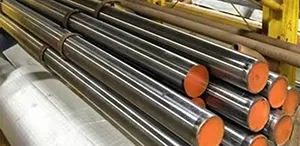
Smart alloys serve as a leading development category in steel manufacturing. The group of advanced ferrous alloys shows responsive reactions to external stimuli that include temperature variations and stress levels and magnetic field changes. A series of essential advancements took place.
- Shape Memory Alloys (SMAs): The research and development of iron-based SMAs is becoming more popular despite nickel-titanium remaining the dominant material in this field. These metallic materials provide applications for actuators together with sensors and self-healing structures by revealing their original form after exposure to either specific temperatures or magnetic fields.
- Magnetocaloric Steels: By responding to magnetic fields these steels become able to alter their temperature which paves the way for solid-state refrigeration systems that minimize conventional refrigerant-based technologies.
- High-Entropy Alloys (HEAs): The strength-to-weight ratio alongside corrosion resistance and thermal stability properties of HEAs makes these materials suitable for aerospace defense and energy sector applications although they primarily use iron alongside other main elements.
II. Engineering the Next Generation of Smart Steel
Materials Informatics and AI-Driven Alloy Design
Today, probability-based computational biology provides predicted results that are obtained before experimentation, paving the way for the development of advanced steel grades.
The Integrated Computational Materials Engineering (ICME) platform offers scientists a method to visualize proposed alloy characteristics through computer models that function under various production methods and use scenarios. Advantages from this data-centered method lead to faster development cycles along with minimized R&D expenses and personalized creation of intelligent steel materials.
Nanoengineering in Steel
The field of nanoengineering brings forth advancements which help in smart steel development. Metallurgists can improve steel fatigue longevity and magnetic properties and superelastic behavior because they use grain boundary engineering with nano-twinning and precipitation strengthening techniques which maintain steel's toughness together with its workability.
III. Smart Applications: Where Advanced Steels are making a Difference
Automotive and Mobility
Automakers currently embrace 3rd generation Advanced High-Strength Steels (AHSS) because this material type achieves the best possible combination of formability and crashworthiness. Magnetic steels with low core loss feature as key materials in high-speed electric motors of EVs to deliver improved energy efficiency and decreased heat generation.
Infrastructure and Smart Cities
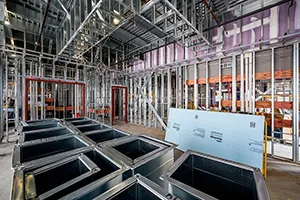
The production of smart alloys for self-healing rebar aims to detect and repair concrete structure cracks and therefore extend their life expectancy for buildings and bridges. Steels operated by magnetic fields will become powerful sensor platforms when fitted with monitoring tools to convert traditional infrastructure systems into smart networks.
Aerospace and Defense
The aerospace industry is implementing high-performance maraging steels together with HEAs for essential parts that need strong performance under harsh environments. The smart steel family contains properties which allow developers to create morphing wings while building shock-absorbing fuselage panels and damage-tolerant armor.
IV. Rethinking Steelmaking: The Sustainability Mandate
The production requirements of smart alloys need to conform to increasing sustainability norms for manufacturing operations. The steel industry releases between 7% to 9% of worldwide CO2 emissions therefore steel manufacturers should actively work to reduce emissions.
Green Steel: A Global Priority
The production of green steel includes significantly lower greenhouse gas emissions which results from using renewable energy combined with hydrogen or circular raw materials.
Key strategies include:
- Hydrogen-Based Direct Reduction: European and Asian companies started using hydrogen gas instead of coke when reducing iron ore through this new approach. The hydrogen processing produces water vapor instead of CO2 emissions thus leading to substantial emission reductions. The hydrogen steel plant sector receives substantial financial support from SSAB and ArcelorMittal and Thyssenkrupp.
- Electric Arc Furnaces (EAFs): EAF systems operated by renewable power streams provide an environmentally friendly steelmaking option particularly effective when processing scrap materials. The main issue arises from creating high-purity steel from recycled materials yet new refining methods show promise in solving this problem.
- Carbon Capture and Storage (CCS): The steel industry can use CCS technology as a short-term fix to improve existing plants through emission capture before pollutants escape to the air.
V. Circular Economy and Lifecycle Thinking
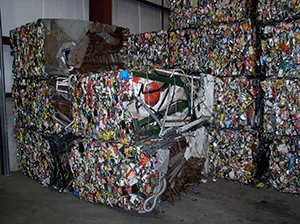
The energy-saving model of the circular economy is increasingly popular throughout the steel sector. It emphasizes the three core principles of this approach involve designing materials to be recycled together with actions to reduce waste and make products last longer.
- Steel Recycling: The inherent recyclability of steel generates worldwide recycling performances better than 85 percent. There are trace alloying elements present in high-performance steels which create difficulties when trying to recycle them. Research and development of new methods including smart sorting and magnetic separation along with specific protocols for recycling alloys have been established to solve this problem.
- Product as a Service (PaaS): The steel industry now provides service-based equipment including scaffolding and modular units on lease terms which reduces the need for disposal through promotion of product reuse.
- Digital Twin and Predictive Maintenance: Digital twins together with embedded sensors enable the monitoring of steel asset conditions to perform predictive maintenance. Safety increases as well as steel structure service life grows through these methods.
VI. Policy, Collaboration, and Investment Trends

The complete transformation of the steel industry demands support from strategic policies in addition to international partnerships and substantial funding streams.
Policy Push
World governments are adopting different forms of green steel policy support which includes:
- Emissions trading schemes and carbon pricing systems form two elements in the current incentives for green steel.
- The procurement process for public organizations promotes the acquisition of steel products with low carbon footprints.
- The government supports clean metallurgical research initiatives through its funding program.
The Global Steel Climate Council (GSCC) along with Indian national alliances called Green Steel Council of India establish certification programs to expand green steel applications.
Cross-Sector Collaboration
The path to decarbonize steel requires all mining and power production methods together with transportation services and technological solutions. The First Movers Coalition including Microsoft and GM among other global corporations created an alliance to procure low-carbon steel products in order to stimulate market demand for sustainable steel.
Traditional steel corporations and emerging startups use their resources to connect with cleantech firms and academic institutions as well as AI research centers and AI labs to co-develop smart alloys and clean processes.
VII. The Road Ahead: Challenges and Opportunities
Several obstacles block the path for steel manufacturers to transition into smart and sustainable production.
- Cost Competitiveness: The expense of smart alloys becomes elevated because of their need for scarce elements or advanced manufacturing procedures. Firmwide production scale-up combined with supply chain optimization needs immediate attention to minimize costs.
- Raw Material Availability: High-performance steels containing niobium along with cobalt and rare earths struggle with ethical sourcing because these components become unavailable due to geopolitical constraints.
- Workforce Upskilling: To achieve digital leadership in the steel sector organizations must invest heavily in education and training for personnel because the new industry demands workers with expertise in AI alongside materials informatics and smart manufacturing capabilities.
Nonetheless, the opportunities are immense. All industries that utilize construction and aerospace along with others seek novel materials with adaptive capabilities and low-carbon footprint strength and steel emerges for renewed expansion.
Conclusion
The development of steel goes beyond using it as a structure because it now represents an intelligent functional sustainable asset. Supercells and green production practices unite to change the steel industry from being a major source of emissions into becoming a key promoter of sustainable manufacturing throughout the industrial landscape.
Industry leaders who invest early in R&D, embrace digitization, and align with ESG goals will shape the next era of global manufacturing. The future of steel is not just about building bridges and skyscrapers - it’s about building a smarter, cleaner, and more resilient world.
 Media Pack Download
 Newsletters
 Industrial Events