The Role of Steel in Renewable Energy: Wind Turbines, Solar Panels, and More
Introduction:
Industrial development throughout centuries relied on steel which enables construction of high-rise buildings alongside bridges and vehicles. Steel acts as a vital component which powers the current renewable energy transition. Solar and clean energy transition drives a wave of intensified marketplace need for substantial permanent materials that maintain value and follow sustainable guidelines. This transformation leads by steel because of its durability alongside reuse ability and flexible uses.
The applications of steel drove the development of green energy technology. The percentage of steel utilization for constructing wind turbines and solar panels as well as renewable infrastructure remains unknown. The detailed function of steel within renewable energy operations extends beyond structural applications for renewable systems.
Steel in Wind Energy: The Foundation of Every Turbine
Wind power has become the leading renewable energy solution because thousands of turbines are operational in different regions across the world. The heavy structures that hold up against destructive weather elements need something to provide stability. The answer lies in steel.
Where is Steel Used in Wind Turbines?
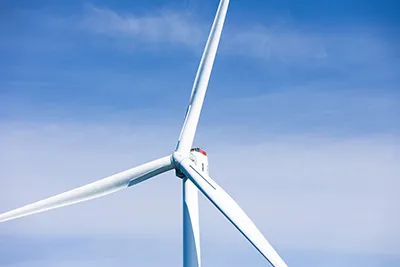
Modern wind turbines possess three major functional parts which include the tower along with the nacelle and rotor blades. All three sections of wind turbines depend heavily on steel for their construction.
- Tower: The steel-made cylindrical tower provides nearly 60-70% weight of a turbine while supporting the turbine machinery at elevated heights.
- Nacelle: The nacelle functions as a unified structure that contains the gearbox along with the generator and numerous other steel-built mechanical elements.
- Rotor Blades: The rotor blades traditionally comprise composite materials although steel manufacturers currently investigate its usage as reinforcement materials.
Why Steel?
Because of their operation in harsh conditions wind turbines exist in extreme environments including cold mountainous regions together with offshore areas affected by rough sea conditions. Steel provides:
- Strength & Durability: The design withstands strong wind force and maintains resistance against rust degradation.
- Recyclability: The lifespan of wind turbines ends through repurposing operations which create minimal harm to the environment.
- Efficiency: Turbine components made from advanced steel alloys become lighter which results in better efficiency and decreased operational expenses.
Interesting Fact:
Onshore wind turbines require approximately 140 metric tons of steel in their construction but offshore wind turbines need up to 750 metric tons because they need highly robust structures.
Steel in Solar Energy: Supporting the Panels that Harness the Sun
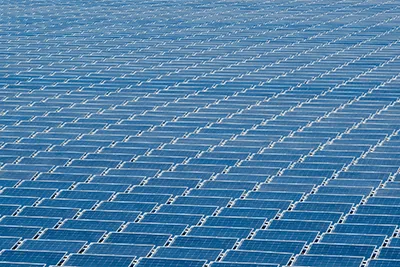
The green energy transformation heavily relies on solar power yet depends on steel to construct solar farms as practical facilities. The support structure of solar installations depends on steel despite the fact that photovoltaic cells (PV cells) utilize silicon for their manufacturing process.
Where is Steel Used in Solar Panels?
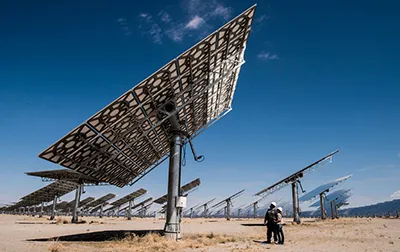
- Mounting Structures: The elimination of solar panels from optimal sunlight requires steel frames to position them correctly.
- Tracking Systems: The solar farms achieve optimal energy collection through sun-tracking steel frameworks which automatically readjust their equipment orientation for better solar performance.
- Battery Storage Units: Storage facilities made from steel serve as a container for battery systems including lithium-ion and multiple others.
Why Steel?
Solar installations require steel as their main material to achieve long-lasting durability because they encounter harsh weather conditions that include hot temperatures, precipitation and cold snow. Additionally:
- High Load-Bearing Capacity: High-wind situations do not affect panel security because of this component.
- Corrosion Resistance: Solar structures benefit from protective special coatings and galvanized steel to prevent rust deterioration.
- Sustainability: At end of life the steel components in solar applications become eligible for reuse or recycling similar to wind turbine applications.
Interesting Fact:
The steel consumption for constructing a 100-megawatt solar farm amounts to 6000 metric tons for its framework systems.
Steel in Hydropower: Reinforcing Dams and Turbines
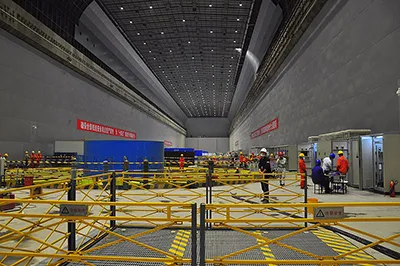
The world's longstanding renewable energy technology of hydropower continues to dominate a substantial portion of present-day energy production across the globe. The construction and operation of essential hydropower systems depends completely on steel as a key material.
Where is Steel Used in Hydropower?
- Turbines and Generators: Hydropower plant turbine components together with shafts function with high-strength steel as their material.
- Dams and Pipelines: The durability level of steel reinforcements grows large enough to stand continuous high water pressure across multiple decades.
- Transmission Lines: Steel towers joined with cables perform a vital role to transmit hydropower electricity from its generation point to the electrical distribution network.
Interesting Fact:
Steel-reinforced dams hold the title of enduring energy infrastructure by surviving for more than 50 to 100 years.
Steel’s Role in Energy Storage and Transmission
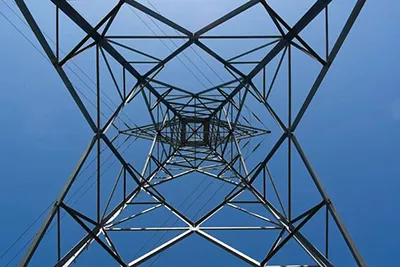
Major issues from renewable energy implementation commonly include problems with both storage solutions and distribution networks. Steel helps in:
- Battery Storage Systems: The storage of lithium-ion together with other battery technologies takes place within steel casings in large-scale energy storage units.
- Electrical Grids & Transmission Towers: The distribution of power through extensive networks depends on steel structures which sustain power lines.
- Hydrogen Energy Storage: The storage and transportation of future energy carrier green hydrogen depends on steel tanks.
Interesting Fact:
The storage of liquid hydrogen at -253°C depends on new steel alloy technologies which position them as essential elements for future hydrogen energy systems.
The Future of Steel in Renewable Energy
The present and future development of renewable energy benefits from steel innovations which continue elevating its industrial significance.
- High-Strength Lightweight Steel: Using this technique lowers the necessary material level which results in decreased costs and lower emissions.
- Advanced Coatings: Technical solutions work to improve protection from corrosion for offshore wind turbines together with solar farms.
- Green Steel Production: Many businesses investigate steelmaking processes based on hydrogen technologies to lower their carbon emissions.
Table: Steel Usage in Different Renewable Energy Sectors
| Renewable Energy Type | Steel Usage Areas | Approximate Steel Requirement |
| Wind Energy | Tower, Nacelle, Rotor | 140-750 metric tons per turbine |
| Solar Energy | Mounting Structures, Tracking Systems | 6,000 metric tons per 100 MW farm |
| Hydropower | Turbines, Generators, Dams | 50-100 years lifespan support |
| Energy Storage | Battery Casings, Transmission Lines | Essential for modern grid |
Conclusion: Steel – The Unsung Hero of the Green Revolution
Solar panels together with wind turbines receive all the renewable energy attention but steel operates in the background as an essential foundation to make this technology work. The sustainable energy transition depends on steel which supports major offshore wind farm installations and arrays of solar energy components and solid hydropower operations.
The future of renewable energy systems depends on strengthening steel applications because technological progress continues at an acceleration. The future of steel includes sustainable production combined with optimized material use which gives the metal industry both vivid prospects and environmental benefits.
The steel components inside wind turbines and solar farms operate as the backbone of sustainable power thus you should respect their silent effort to create a cleaner planet.
 Media Pack Download
 Newsletters
 Industrial Events