Steel Foam: A Lightweight Solution for Energy Absorption
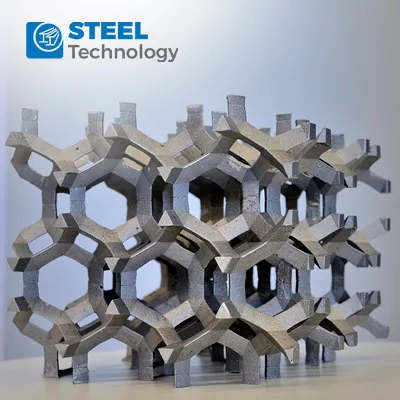
Steel foam is a multi-scaled hierarchical ‘double duty’ material that has the strength to weight ratio of steel and the specific energy absorption of foam. It is a kind of metal foam and the terminology metal foam is referred to any kind of metal which is made up of a high number of cells containing gas. This type of foam is manufactured from steel and therefore is offered as a material that is both strong and durable with relatively low density; this makes steel foam an interesting material in this broader family. This characteristic makes it suitable for any industries that demand impact resistance, capacity to absorb shocks, and strength reduction and lighter weights. In this article, we will learn about the characteristics of steel foam, the technology of its production, its advantages and possible uses.
What is Steel Foam?
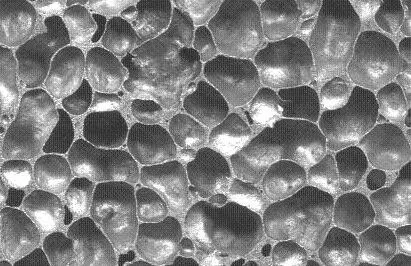
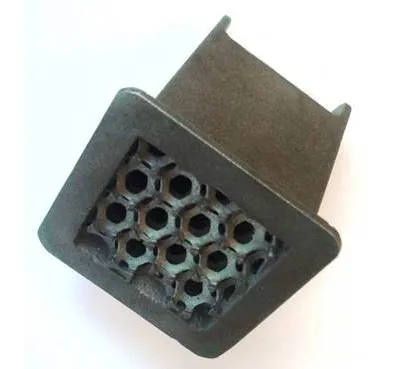
Steel foam is defined as a material that has been deliberately created out of steel and contains enclosed gas or a foaming agent during the process of its production. The outcome creating a structure with surface area comparable to conventional foam bearing materials together with advantages of the metallic properties of steel. While steel foam can exist across a continuum of density from low density to high density, it will be tuned to the specific application and the required amount of energy absorption in addition to the structural properties.
Energy absorption and dissipation are considered one of the characteristic of steel foam. Under shocks or vibrations for instance, steel foam yields in a manner that it dissipates the energy, thereby relieving a structure of most of the force within the system. This makes it a great material for protecting delicate parts of a device from getting damaged during an impact or during a crash.
I. Properties of Steel Foam
Steel foam possesses several properties that make it unique and suitable for a wide range of applications:
Lightweight: Steel foam, which is made of steel, is yet lighter than a solid steel due to its honeycombed like structure. This in some way helps to ease the put on weight of the material while at the same time improving the toughness and strength and durability.
High Energy Absorption: Specifically, the energy absorbing and dissipating capability of steel foam when struck is rather high. This makes it suitable for use in crash resistant materials, protection shields and any other application that depends on energy absorption.
Strength and Durability: Steel has been also known to be strong and rigid or even more resistant to activities like corrosion. When mixed with foam, it maintains such qualities; hence steel foam is a strong material that can suit extreme environments.
Good Thermal and Acoustic Insulation: Thermal and sound insulation characteristics are highly favorable because of the stated structure of steel foam. The minute pockets of air within the foam help to insulate against heat or sound which makes it a suitable product for noise or heat abatement.
Customizability: Due to the three mentioned features, namely density, pore size, and thickness steel foam can be easily modified for different applications. Due to this flexibility, the material is used extensively in industries with complicated requirements.
II. Production Methods of Steel Foam
This article presents several methods that can be used to produce steel foam and the pros and cons associated with each one. The most common methods include:
a. Powder Metallurgy Method: In this method, steel powder is blended with a foaming agent and sintered to the temperature at which the foaming agent triggers the expansion of the powder. This leads to the creation of a porous architecture. Literature information shows that the size and distribution of the pores can be altered through varying the temperature, pressure and the type of foaming agent. This method is common is used when forming steel foams with same characteristics.
b. Casting Method: In casting, molten steel is added to a mold together with a number of specialized agents, known as foaming agents. The agent boils the molten steel as it cools down then solidifies with a foam like structure. This process is normally applied where large, heavy steel foam is needed for an application.
c. Direct Foaming Method: This method is done by passing a gas (like hydrogen) directly into the molten steel and it involves a high cost for application. The gas bubbles form foam as the steel cools and hardens which sometimes weakens the structure of the resultant steel. The size of the pores can be managed to a certain really by regulation of the gas flow and the temperature.
d. Electrochemical Method: Here, a foaming agent is electrochemically incorporated into a steel surface. This leads to the development of a foam layer on the surface of the steel whose activity contributes to the optimization of the heat transfer rate. Although, this method can give very thin layer of foam, it is quite applicable in special applications like coatings and surface treating.
III. Benefits of Steel Foam
The features which are unique to steel foam are extremely valuable in numerous types of applications. Some of the key benefits include:
1. Improved Energy Efficiency: This article also demonstrates steel foam good properties for energy dissipation application areas including automotive crash, fragile goods packaging, and protection. The steel foam thus reduces the impact energy on other distinct sub assemblages, thus enhancing the total energy efficiency.
2. Reduced Weight: As a result, steel foam decreases the total weight of structures or products, although it increases their size. Steel foam can provide value in weight sensitive application areas including aerospace applications, automotive, construction, etc.
3. Enhanced Safety: Safety applications of steel foam includes utilization for their impact energy absorption capability. In automotive and transportation industries, steel foam is applied in crash parts, automotive bumpers and energy management materials to minimize harm of the occupants in the car and property damage whenever there is an accident.
4. Environmental Benefits: Compared to other fabrication materials, steel foam production can be environmentally friendly in the sense that it can be recycled using scrap steel. In the same regard, its lightweight character leads to decreases in the power necessary to transport the material and its production.
5. Cost-Effectiveness: Still, first costs relating to the production of steel foam may be higher when compared to such traditional materials as metal foams; however, energy absorption characteristics, weight, and safety benefits outweigh the option’s costs in the long run. For instance in a car industry, application of steel foam will increase the life of car, save cost on fuel by making cars lighter.
Applications of Steel Foam
The characteristics of steel foam explain why it can be used in the numerous functions across different sectors. Some notable uses include:
Automotive Industry: Automotive applications with the use of steel foam are safety and energy conservation. They can be used in fenders, crash members and impact energy dissipaters. Hence, through the shrinkage of energy in the collisions, the steel foam will decrease the losses of vehicular structure and number of causalities among the passengers. It also entails a reduction of the total weight of the vehicle thus improving the fuel consumption of the vehicle.
Aerospace Industry: Frequently, aerospace applications demand a reduction in weight, and the components are required to afford high strength and durability. The lightweight and high strength characteristics of steel foam mean it can be used in aircraft construction as wings, body, interior parts and more. It’s also useful in applications that require noise reduction of the engine and airframe noise.
Construction and Building Materials: In construction, steel foam is applied as anti-impact walls, floors, and as insulators. The energy favored characteristics of this material greatly minimize harm during earthquake occurrence as well as unintentional impacts which make it relevant in developing earthquake-resistant structures. Also, steel foam has thermal and acoustic insulating properties thus enhancing energy efficiency in constructed structures.
Protective Packaging: This is because steel foam is applied in packaging; items that are delicate are shielded during the time of transportation. This has made it be ideal when it comes to protecting electronics, machines and other delicate equipment against shock and impact. Transporting prefabricated structures made of steel foam is also less expensive because of the material’s relatively low density.
Sports Equipment: Steel foam finds application in helmets, padded gear and protections gear that’s used in sporting activities.
Usage of the material in making form of protective gears enables it to absorb energy in case of impacts and thus protect athletes from severe injuries especially during rugged sports.
Conclusion:
Steel foam is a novel material that is used in car manufacturing, aviation, construction and many other fields. By gaining energy and impact absorbing capacity and maintaining an ability to shed weight it is a sought after solution for many difficulties in product design and engineering. In the long run, due to the development of technology, many people believed that steel foam has a good prospect in the future since it provides new types of solutions in absorbing energy and reducing weight in various fields. It ranges from modifying cars to make them safer, optimizing the performance of buildings, or even protecting fragile instruments that need to be transported safely; the steel foam seems to be an ideal lightweight material for the present world markets.
 Media Pack Download
 Newsletters
 Industrial Events