Challenges and Solutions in Operating Steel Tube Mills: A Comprehensive Guide
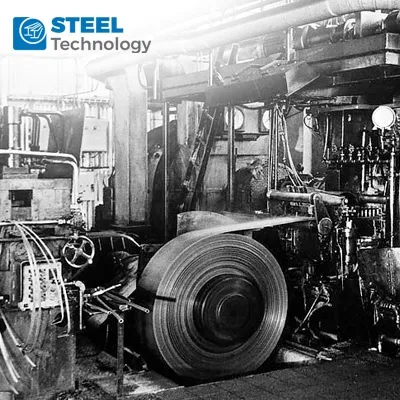
Steel tube mills used in the manufacturing of steel tubes, are broadly used in construction related industries and automotive. The acquired knowledge is in line with a theoretical explanation of the construction industry where different mills are had as essentials in the manufacturing of steel tubes used in construction businesses including the automotive manufacturing industry. Said this, the operation of these mills required the surmounting of several hurdles. Based on critical surveys, this guide provides a focus on problems affecting steel tube mills and how they can be solved.
1. High Production Costs
Challenge:
The mills used to produce steel tubes can be very expensive in terms of raw materials, energy and cost of maintenance.
Solution:
- Energy Efficiency: Incorporating energy efficient measures. Energy efficiency on the use of machineries, such as through the acquisition of new and more efficient ones can help cut down on costs.
- Raw Material Management: Developing gross or net long-term purchase contracts with the suppliers would help with acquiring cheaper goods and reducing price volatility. Recover scrap steel to decrease the reliance on sources materials.
- Preventive Maintenance: Lack of or inconsistency is not good for machinery because it raises the ailments within a short period translating to shorter machinery life.
2. Quality Control Issues
Challenge:
Ensuring the quality of steel tubes is quite difficult but important because variations in raw materials and manufactured products are inevitable.
Solution:
- Advanced Inspection Technologies: Implement automated inspection systems and Quality Control software in order to control the manufacturing process and monitor it constantly.
- Standardized Procedures: Policies and procedures that should be followed include the following: quality assurance procedures: quality checks and standards and training of staff on quality assurance and quality check.
- Continuous Improvement: To control the quality problems, put in practice the use of the continuous improvement program supported by audits and feedback.
3. Technological Upgrades
Challenge:
The technological change in steel tube mills’ production line is essential to enhance competiveness but this can be capital intensive and occasionally invasive.
Solution:
- Phased Upgrades: Introduce technology change in phases to help in cost spreading thus avoiding interferences with the manufacturing processes.
- Invest in Research and Development: Focus on cooperation with the technology suppliers and develop relevant strategies for the increased investment in the research and development of long-term value propositions.
- Training and Support: Appearances and aesthetics alone should be avoided; one should provide training for the staff on how to use new technologies installed in an organization without hitches.
4. Workforce Management
Challenge:
Skilled employees are another challenge to managing human resources because their turnover rates are high, and the tasks require expert knowledge.
Solution:
- Training and Development: Train your employees on the job because this will help to ensure that they are up to date with technological advance and the best business practices.
- Employee Retention: Remunerate your employees well, provide them with good packages and create a healthy working environment that will compel talented people to stick to your enterprise.
- Automation: Use of automation techniques should be encouraged whenever possible as a way of avoiding to rely heavily on the labor force especially where there is a shortage of employees.
5. Environmental Regulations
Challenge:
Accurate environmental laws are very compulsory for every steel tube mill and often come with high costs and changes in operations.
Solution:
- Sustainable Practices: Make use of environmental conservation policies such as recycling the waste products and also minimizing on the emission of gases. Energy efficient technologies can also be used to address environmental aspects as far as the provision of structures is concerned.
- Regulatory Compliance: keep abreast with any changes in the law and liaise with the environmental consultants to avail themselves with the changes. It will be useful and effective to schedule an audit as frequently as possible to consider the possible defects.
- Green Certifications: They should also work towards gaining accreditation of the firms’ environmental management systems as a way of showing commitment towards sustainability besides enhancing efficiency in their operations.
6. Supply Chain Disruptions
Challenge:
Common disturbances in the supply chain usually entails delays and causes high costs which may slow down steel tube mills.
Solution:
- Diversify Suppliers: The organization should work with more than one supplier because working with several suppliers helps eliminate some risks that are associated with supply chain disruptions.
- Inventory Management: This will reduce the effects of supply chain delays, through the proper management of inventories, so as to avoid wastage.
- Contingency Planning: Establish back up strategies to be employed in the event of interuptions of business operations.
7. Market Fluctuations
Challenge:
As with any other industry that is involved in the production of steel, performance depends on the market - both in prices and the demand for the product.
Solution:
- Market Analysis: The activities should involve constant examination of current patterns and changing course when necessary. Thus, the knowledge of the market conditions can be useful for making very effective decisions.
- Flexible Production: The strategies are to set and incorporate procedures that produce the kinds of vehicles demanded in global markets depending on the prevailing economic conditions.
- Diversification: Find more opportunities to apply the steel tubes in the market other than heavily relying on one market.
 Media Pack Download
 Newsletters
 Industrial Events