A Comprehensive Guide to Refractories in Steelmaking
Introduction
Very few people are aware that refractories are crucial in steel manufacturing because they function as linings of furnaces, kilns and other product used in high temperature processes. These materials are heat-resistant and provide shield to equipment from physical wear attributed to rust. This guide will describe the use, kinds, and significance of refractories in steel production while preserving the technical jargons to a minimum.
What Are Refractories?
Refractories are those materials which can bear very high temperatures and they do not melt or get distorted. They are crucial in steel-making processes as they guarantee endurance and effectiveness of apparatus; used in working conditions that are above 1,500°C or 2,732°F.
Why Refractories Are Important in Steelmaking
- Temperature Resistance: Refractories need to withstand the heat that is produced while in the process of steel making. If not for them the equipment use in the manufacture of steel would corrode with considerable speed.
- Chemical Resistance: Chemical changes are in progress all the time. Refractories have the potential of standing the normal chemical attack from molten metal, slag and gases.
- Structural Integrity: Refractories also have the service of providing contour to the furnace linings and also adding structural strength to the furnace equipment.
- Thermal Insulation: They help in accumulating insulations to the furnace and decrease in the transfer of heat leading to improvement in efficiency.
Types of Refractories Used in Steelmaking
a. Acidic Refractories: These refractories made up of silica and alumina are applied in the areas with acidic type of slag. These are characteristic for the open hearth furnaces.
- Silica Refractories: They have high melting point and good thermal stability. Applied where high temperature and negligible level of chemical aggressiveness are prevalent.
- Alumina Refractories: Contain high amount of alumina that makes them highly resistive to corrosion and thermal shock. Common in hot environments and with abrasive and corrosive furnace-products.
b. Basic Refractories: Containing magnesia and dolomite, these refractory materials are required where basic slag is seen.
- Magnesia Refractories: Exhibit outstanding resistance towards the basic slags as well as high temperatures. Especially for electric arc furnaces and basic oxygen furnaces or also known as converter steelmaking.
- Dolomite Refractories: It is produced from dolomite and used where both, basic and neutral slags are apply. They have a fairly good resistance to erosion and corrosion processes.
c. Neutral Refractories: These refractories are flood with acidic or basic slags as well as made of carbon and chromite.
- Carbon Refractories: Applied on the parts of linings that are subjected to high temperatures and/ or chemical and /or erosive conditions. It does not crack on heating or cooling and possess reasonable mechanical strength.
- Chromite Refractories: Have chromium oxide and show high levels of both acid and basic slag resistance. These are applied in hot areas of steel making apparatus.
Applications of Refractories in Steelmaking
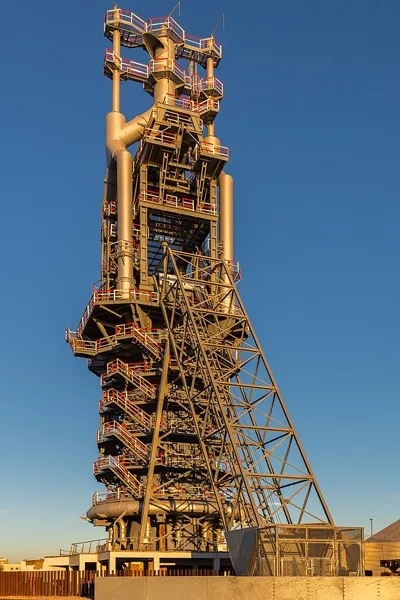
a. Blast Furnaces: The refractories lining blast furnaces are applied on iron ore to extract the molten iron out of it. Of these refractories, particularly, the product required to seem resistant to high temperature and conditions that may cause corrosion.
b. Electric Arc Furnaces (EAFs): Refractories used in the lining of EAFs are used in the production of steel through melting of scrap steel using electrical energy. Specifically, the refractories need to withstand the high temperatures possible and all chemical interactions possible.
c. Basic Oxygen Furnaces (BOFs): These furnaces oxidize molten iron to form Steel, by injecting oxygen into it. Refractories used in BOFs and the basic slags require heat and high temperatures.
d. Ladles: Refractories line ladles in which molten steel is carried from the furnace to the casting zone. Thermal shock and corrosion are prevented by them.
e. Casting Machines: Both the moulds and the interior of the large containers for the steel that must be solidified after it has been refined in the process called casting use refractories. It has to be heat and wear resistant.
| Also Read: Innovative Refractory Technologies Shaping the Future of Steel Production |
Challenges in Refractory Usage
1. Wear and Tear: Refractories do degrade by action of abrasion, erosion and thermal shock. This means then that routine care and upgrades are required in order to get the best results.
2. Thermal Shock: Refractories are very sensitive to temperature changes and as such temperature changes can cause cracks or even degradation. This problem is largely prevented through the selection of the right type of refractory and proper laying.
3. Chemical Attack: This is due to the fact that refractories can be prone to attacks by corrosive slags and molten metals whereby the effectiveness of the refractories is depreciated. The chemical composition of the refractories also has to meet specific requirements to be able to handle the vices to be exposed to.
4. Cost: Refractory materials are categorized as high-cost products. Costs, performance, and durability, these are the three pillars of efficient steelmaking that have been taken into consideration.
Future Trends and Innovations
- Advanced Materials: Development of new refractory material for better performance, longer life and environment friendly are the subjects of the current researches.
- Recycling and Sustainability: The recycling of the used refractories and the establishment of green avenue method of using refractory materials are works in progress.
- Improved Installation Techniques: Latest strategies for application of the lining components and technologies are invention to improve the life and performance of refractory linings.
Conclusion
Refractories are essential in steel making since the equipment used in the processes has to be protected and maintained at high temperatures. Knowledge of types, applications and/or limitations shows that they can be used appropriately in their selection and use. Indeed as the technology expands the need for new and better refractories is expected to address new ways to the efficiency and sustainability of steel production.
This article tries to present straightforward explanations of above concepts, so that readers can have a clear understanding of refractories used in the manufacture of steel and why they are essential to the sector.
 Media Pack Download
 Newsletters
 Industrial Events