How Steel Manufacturers Can Cut Freight Costs with Better Carrier Bidding Strategies
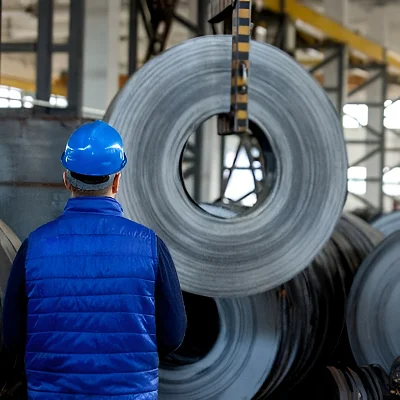
Steel companies usually watch the big items first. Scrap. Power. Labor. Furnace time. Those numbers are loud, so they get attention. Freight is different. It is spread across invoices, routes, surcharges, and small exceptions that do not always look serious on their own.
One accessorial here, one detention charge there, a fuel table that was never questioned. By the time anyone adds it up, the money has already moved through the system.
Carrier bidding is one place to fix this. Not by simply asking every carrier for a lower number, but by cleaning up the freight picture before the next contract is signed.
The Hidden Freight Costs Eating Into Steel Margins
Steel freight has more moving parts than a normal pallet shipment. Loads may be heavy, long, irregular, or tied to a project site that is not ready when the truck arrives. Because of that, a quoted linehaul rate is only part of the story.
The rest often shows up after the move.
Accessorial Fees
Accessorial fees cover work outside the standard pickup-and-delivery move. That may mean extra labor, special handling, permits, added equipment, or time that was not included in the original rate.
Liftgate charges, inside delivery, residential delivery, and notify-before-delivery are common examples. In steel, the problem can be worse when a site needs crane loading, odd delivery timing, or a driver has to wait while the product is made ready.
Not every accessorial is wrong. The issue is paying them without limits or review. Steel manufacturers should set caps in the contract, define which charges need pre-approval, and audit invoices before small charges become normal. A freight brokerage partner can help with this when the network is too wide for one internal team to police lane by lane.
Fuel Surcharges
A fuel surcharge, often shown as FSC, is meant to account for changing diesel prices. For steel shippers, it can run through almost every move: mill outbound freight, transfers to service centers, deliveries to fabricators, and shipments into job sites.
Many teams treat fuel as something separate from the rate. It is not. Since the surcharge is usually tied to the linehaul rate, an inflated base rate makes the fuel charge larger too.
That is why better bidding still matters in a fuel-heavy market. Cleaner lanes, better load planning, and stronger base rates can reduce the total amount exposed to the surcharge.
Detention and Demurrage Fees
Detention is charged when a driver waits too long at a pickup or delivery point. Demurrage applies when freight sits too long at a rail yard or port. These fees are often booked as exceptions, which makes them easy to ignore.
In practice, they can become routine. A crane is tied up. A dock crew is short. A load is not staged. Paperwork is missing. No one issue looks big enough to change the budget, but the same locations keep creating the same charges.
The practical first step is to map detention by facility and carrier. Chronic sites may need longer free time in the contract. They may also need better appointment control, staged loads, and documented arrival and departure times. Without those records, disputes usually go nowhere.
Dimensional Weight (DIM) Penalties
Dimensional weight pricing is easy to miss because steel is already heavy. Still, it can appear when the space used by a shipment matters more to the carrier than the actual weight. LTL shipments are the common trouble spot.
Coils, structural shapes, bundled steel, and small regional fills can all create billing surprises when the shipment does not fit neatly into the carrier model. Distributors using Less-Than-Truckload (LTL) for smaller orders should check those lanes closely.
If DIM charges keep appearing, the solution may be to combine small shipments into full loads, change the delivery cadence, or negotiate density-based rates that reflect how the steel actually moves.
How Better Carrier Bidding Creates More Competitive Freight Rates
A better bid is not always the lowest bid. Steel freight needs carriers that understand the lane, the equipment, and the risk. Still, manufacturers should not accept familiar rates just because the last contract worked well enough.
Check Carrier Contracts Before They Roll Over
Some contracts renew because no one has time to rebuild the bid. The same carrier stays on the lane. The same fuel table remains in place. The same accessorial language gets copied into the next agreement.
That can be expensive in a market that has moved. Before the next cycle, pull rate-per-mile by lane and compare it against current market indices. A one-time freight audit on the top 10 lanes is often enough to show where the largest problems sit.
The goal is not to challenge every line item. It is to find the lanes where the current contract no longer matches the work being done.
Give Carriers a Bid Package They Can Trust
Carriers price uncertainty. If the bid package is thin, they add room for risk. That extra room becomes part of the rate.
A useful steel freight package should include 12 months of lane history, average load weight, equipment needs, pickup rules, seasonal patterns, on-time expectations, and any special handling requirements. It should also call out awkward locations, project-site delivery issues, and loading constraints.
This kind of detail helps both sides. The carrier can price tighter because the work is clearer. The shipper gets a better read on which carriers actually understand the freight.
Use Volume Commitments Carefully
Volume can be useful, but only where it is real. Promising too much across the whole network can create trouble later. Promising nothing gives carriers little reason to sharpen their rate.
A better method is to identify the 3-5 highest-volume lanes and use minimum volume commitments there. These are the lanes where predictability has value. In return, carriers may be more willing to lock in stronger rates.
This keeps the commitment focused. It also avoids forcing the manufacturer to make promises on lanes where demand changes with customers, projects, or production schedules.
Why Steel Freight Requires Specialized Carrier Networks
Steel freight should not be pushed into a general carrier pool without review. Equipment type, weight distribution, securement, loading method, and driver experience all matter. A cheap bid from the wrong carrier can cost more later.
Standard Trailers Are Not Fit for Most Steel Loads
Dry vans have their place, but not for most steel movement. Many steel products need flatbed trailers because they can be loaded from the side, top, or rear. That access matters when cranes or forklifts are involved.
Flatbeds also make more sense for coils, beams, plate, structural shapes, and bundled material. In these moves, trailer choice is not an afterthought. It decides how safely and efficiently the load can be handled.
Steel Coils Need Their Own Safety Discipline
Coils deserve special attention. A coil that shifts is not just a damaged shipment. It can become a road hazard with enough force to cause severe damage. That is why safety protocols should be part of the carrier discussion before the rate is accepted.
Manufacturers and carriers must follow FMCSA cargo securement rules at 49 CFR Part 393. The basics matter here: coil racks or cradles, friction mats, and steel chains or straps that are suitable for the load.
A carrier that cannot show coil experience should not win the lane just because the rate looks clean on a spreadsheet.
Using Freight Analytics to Keep Transportation Spend Under Control
The bid does not end when the contract is signed. That is where many savings leak out. Wrong rate tables get applied. Accessorials slip through. Detention keeps showing up at the same facilities. Fuel charges climb faster than expected.
Freight analytics does not have to start as a large project. Begin by comparing invoices against contracted rates. Then track accessorials by location, detention by carrier, and FSC as a share of total spend.
After a few months, patterns usually appear. One site may need appointment changes. One carrier may be clean on linehaul but expensive after fees. One lane may belong in a different equipment setup altogether.
That information makes the next RFP less of a guessing exercise. It gives the steel manufacturer a record of what actually happened over the last 12 months.
The Bottom Line
Freight costs in steel are rarely fixed by one hard negotiation. They usually come down when the network is made easier to see.
Hidden fees need rules. Carriers need better lane data. Specialized loads need the right equipment and securement. And every contract cycle should be informed by what happened in the previous one, not by a recycled bid sheet.
That is the real value of better carrier bidding. It removes the blind spots that allow freight costs to grow quietly.
 Media Pack Download
 Newsletters
 Industrial Events








Author Bio:

By Nick Fryer
Vice President of Marketing, Sheer Logistics
Nick Fryer has over a decade of experience in the logistics industry, spanning marketing, public relations, sales enablement, M&A and more at 3PLs and 4PLs including AFN Logistics, GlobalTranz, and Sheer Logistics.