Innovations in Air Filtration: Improving Air Quality in Steel Manufacturing
Introduction:
Pollution is an essential factor in steel production; it is among the industries with high energy utilization and production of emissions. Some of the emissions that are produced as result of steel production include particulate matter, carbon monoxide, and sulfur dioxide. These emissions may also have health effects on the employees of the companies and the neighbouring residents together with the effects on the environment. In response to these problems, progressive forms of air filtration technologies are in the process of being adopted to sustain elevated levels of air quality in steel production.
Understanding the Need for Advanced Air Filtration
Iron making for example smelting, refining and casting produces various gaseous emissions some of which are listed below: Conventional HVAC filtration systems to some extent can adequately filter the air but they are inadequate to deal with the amounts and varieties of pollutants produced in steel mills. The penalties are rising and the emphasis shifts toward the environmental responsibility; therefore, the requirements for enhanced and efficient air filtration technologies are more extensive than ever.
Key Innovations in Air Filtration Technologies
a. Electrostatic Precipitators (ESPs): Of all the methods of controlling particulate emissions, electrostatic precipitators have to be one of the most advanced or rather complex. They operate through an electric charge of dust particle as they pass through an electric field and move towards collector plates. The efficiency of this method is satisfactory for fine particle elimination and may be adjusted to contend with fluctuating pollutant loads. New inventions in ESP technology are better materials of the collection plates and better electrical systems for greater particle expulsion.
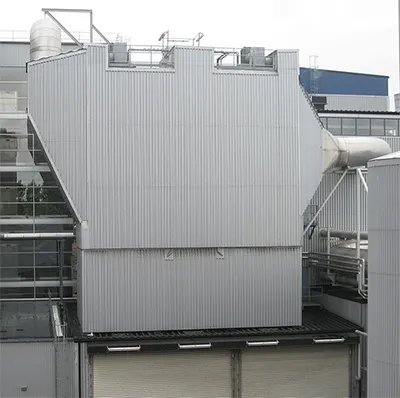
b. Fabric Filters (Baghouses): Fabric filters individually known as baghouses employ fabric bags for the capture of particulate matter in the effluent gas. Over the years, several changes have taken place in fabric filter systems realizing high-efficiency filter media for trapping small particle size and capability to handle hot gases. They assist in cost cutting as far as maintenance is concerned and in equal measure aid in refinement of the filtration process.
c. Wet Scrubbers: Wet scrubbers let allow the polluted in the form of exhaust gases to be sprayed with a liquid in which it forms a solution or chemical reaction with the pollutants. Modern designs of wet scrubbers have been improved to ensure that the gas and the liquid phase have a better chance of interacting to ensure the removal of deleterious gases and vapors including sulfur dioxide and volatile organic compounds (VOC’s). Also, so as to enhance the durability and usability of these scrubber systems, the manufacturers have also provided for better durable materials especially for the scrubber parts.
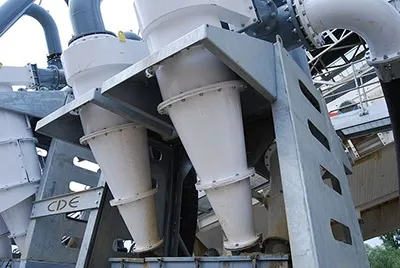
d. Cyclone Separators: Cyclone separators are especially used in the process of elimination of relatively large particles from the gaseous mixture by means of the local application of centrifugal force. Originally used for the removal of coarser particulate, advancement has been made in the design of cyclones to partly increase efficiency on fine particles. Cyclone separators have advanced in terms of design and material used to make them larger and more efficient, adding them as a stage in multi-stage filtration systems.
e. Nanotechnology-Based Filters: Nanotechnology is the next big thing in air filtration since it is now possible the produce filters with pores that are even in nanometers capturing ultrafine particles. These filters are much effective and can even get rid of pollutants on the molecular level. There’s ongoing studies of using economic and highly scalable nanomaterials in practical uses, for instance in the steel industry.
Integration and Implementation
There are several aspects that needs to be taken into consideration when these new advanced air filtration technologies are installed in steel manufacturing environments. Hence, the following concerns can be used to evaluate the precise necessity of the facility:
- Category of pollutants
- Quantity of emitted gases
- Energy desire of the facility.
Frequently, the net benefits are achieved when using multiple filtration techniques in the multi-stage system. For instance, ESPs can be combined with fabric filters as it tackles both the fine and the coarse particulate matters.
In addition, it needs ensure that the associated technologies are well maintenance and monitored for the proper functioning of their operations. New features of sensors and big data analysis facilitate the acute control over the quality of the air around a building and the condition of filters and related equipment to change or clean them as necessary.
Environmental and Economic Benefits
The use of efficient air filtration means has general environmental and economic returns.
Better quality of air means the health of the workers and the inhabitants close to the business is not compromised hence enhancing the quality of life. Further cleaner emissions enable the steel makers to meet specific environmental standards to avert penalties. From an economic point, the advanced filtration tends to lower energy consumptions, low on fittings, and high efficiency leading to embark savings.
Conclusion:
Technological advancements in air purification are today seriously contributing to improving air quality in steel production. These technologies include electrostatic precipitators, fabric filters, wet scrubbers, cyclone separators, and the up and coming nanotechnology based filters which are reducing emissions and for the most part enhancing environmental performance in the power sector. Pursuing these changes will remain critical as the steel industry advances and look for ways of achieving a sustainable future. Thus, buying advanced systems for air purification and ventilation, steel manufacturers can help to solve this problem and make people’s lives healthier and longer.
 Media Pack Download
 Newsletters
 Industrial Events