Innovations in Hydraulic Hose Technology for the Steel Industry
Introduction
Hydraulic systems need to function perfectly in demanding steel environments because the steel industry operates under challenging conditions. In steel plants hydraulic hoses function as both power sources and fluid conveyors for hydraulic fluids while providing stability to pressure systems. The development of innovative mechanisms for hydraulic hose technology now enables more efficient functioning and safety alongside excellent durability during operation in harsh environments. The article examines newly developed steel industry-specific hydraulic hoses together with their effects and upcoming developments that will direct this market sector.
The Role of Hydraulic Hoses in the Steel Industry
Steel production facilities utilize hydraulic hoses as key elements in their heavy machinery operations that include rolling mills as well as blast furnaces and hydraulic presses and automated robotic systems. The hoses need to endure multiple harsh pressures combined with both high temperatures and harsh contact with abrasive substances. The usage of modern hose technologies becomes essential because failures cause severe production interruptions alongside equipment destruction and safety complications.
Common Challenges Faced by Hydraulic Hoses in Steel Plants
1. High Temperatures: The high temperatures during steel manufacturing process reach over 1000°C thus requiring hoses with thermal resistance properties.
2. Pressure Surges: Hose failure develops rapidly and becomes severe because of sudden and repeated high-pressure changes.
3. Abrasive Environment: The combination of metal dust particles with slag materials as well as industrial debris raises the potential for hose damage through wear mechanisms.
4. Chemical Exposure: The contact between hydraulic hoses with oils and coolants together with various chemicals leads to deterioration of conventional hose materials.
5. Operational Downtime: Hose failures can result in costly production stoppages and maintenance expenses.
Key Innovations in Hydraulic Hose Technology
1. High-Temperature Resistant Hoses
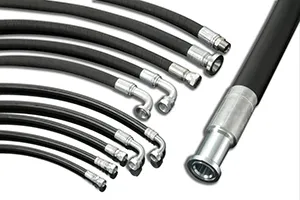
The emergence of new materials technology has enabled scientists to develop heatproof hydraulic tubing. Modern production techniques combine particular elastomeric compounds and state-of-the-art synthetic rubber materials to support temperatures reaching 300°C. Hot environments cause minimal damage to these hoses which results in longer service periods and lowered maintenance expenses.
2. Reinforced Multi-Layer Construction
Manufacturers implement multi-layer reinforcement structures in hydraulic hoses by utilizing high-strength synthetic fibers or aramid fibers or by braiding steel wires. Multiple layer structures improve durability by increasing burst safety and flexibility which allows hoses to operate efficiently under high operational pressures.
3. Anti-Abrasion Coatings and Protective Covers
New hydraulic hoses now utilize thermoplastic polyurethane (TPU) as well as engineer-made synthetic compounds as protective anti-abrasion coatings. These protective coverings decrease the amount of wear which occurs due to friction together with external pollutants to boost the service time of hoses inside harsh steel factory conditions.
4. Smart Hose Technology with Embedded Sensors
The introduction of smart sensors representing a ground-breaking development in hydraulic hose technology enables continuous pressure measurement alongside thermometric reading and fluid flow inspection. The smart hoses can automatically detect problems through their sensors so steel operators receive advance warning about developing equipment failures.
5. Bio-Based and Eco-Friendly Hydraulic Hoses
Industrially made bio-based hydraulic hoses now exist from renewable materials because of growing environmental concerns. The hoses incorporate designs that enable operation with biodegradable fluids to minimize pollution from steel production facilities.
6. Flame-Resistant and Fire-Resistant Hoses
Steel plants require fire-resistant hydraulic hoses most significantly for their blast furnaces and high-temperature operational areas. These hoses contain flame-retardant materials which satisfy the requirements of MSHA (Mine Safety and Health Administration) and ISO 15540.
7. Improved Coupling and Leak-Proof Fittings
Modern suspension technology uses crimped and quick-connect couplings as leak prevention solutions which improve hose functionality and stop fluid loss. Improved system efficiency together with reduced hydraulic fluid waste occurs through the implementation of advanced coupling solutions.
Market Trends and Industry Insights
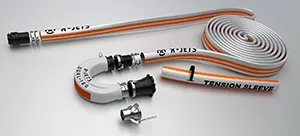
Growth of the Hydraulic Hose Market in the Steel Industry
Worldwide steel manufacturer demand drives continuous growth within the hydraulic hose market sector. Statistics from the manufacturing sector indicate that hydraulic hose market value will grow to USD 13.5 billion during the 2028 timeframe because of increasing automated systems as well as mandatory safety rules and rising demand for energy-smart solutions.
Leading Manufacturers and Innovations
Some of the top players in the hydraulic hose industry catering to the steel sector include:
- Parker Hannifin – Known for high-pressure and fire-resistant hydraulic hoses.
- Eaton Corporation – Provides smart hoses with embedded sensor technology.
- Gates Corporation – Specializes in abrasion-resistant and high-temperature hoses.
- Continental AG – Offers eco-friendly hydraulic hoses made with sustainable materials.
Future Trends in Hydraulic Hose Technology
1. AI-Driven Predictive Maintenance
AI integration into hydraulic hose monitoring systems permits them to provide predictive analysis that detects hydraulic wear indicators and creates maintenance planning to evade unplanned system shutdowns.
2. 3D-Printed Hydraulic Hose Components
Additive manufacturing advances enable 3D-printed hydraulic hose fittings to join protective components together in the market. The adoption of hydraulic hose protective covers approaches mainstream use age since these custom cost-efficient solutions can fit specific industrial needs.
3. Self-Healing Hydraulic Hoses
Research on self-healing polymers indicates that future hydraulic hoses should develop automatic leak sealing properties which would lower operating expenses and boost steel plants safety standards.
4. Nanotechnology-Infused Hose Materials
The development of advanced ultra-durable hydraulic hoses depends on nanotechnology through implementation of heat-resistant properties with flexible designs and extended life expectancy.
Conclusion
The advancements in hydraulic hose technology have transformed steel manufacturing environments through better protection and operational efficiency and environmental sustainability.
Advanced hydraulic systems in steel manufacturing are evolving because of their elevated temperature endurance together with intelligent tracking features combined with bio-materials use and artificial intelligence monitoring of maintenance schedules. The steel industry requires essential adoption of these remarkable solutions to reach better operational efficiency and better downtime reduction in future operations.
Steel manufacturers need to progress through investments in advanced hydraulic hose technologies to achieve reliable along with safe sustainable operations in their facilities. Comprehensive implementation of these measures enables manufacturers to reduce hazards as well as enhance production efficiency and maintain strong market competitiveness at the global level.
 Media Pack Download
 Newsletters
 Industrial Events