The Impact of Smart Sensors on Steel Production and Quality Control
Various smart sensors have continued to revolutionize industries throughout the world including the steel industry. As a process that requires manipulation of temperatures and proper chemical combinations in the production of steel, the smart sensors assist steel production. These sensors enhance the productivity, precision and quality of steel production since some processes are made to be more efficient and fewer mistakes are being made. In this article we aim to reveal the role of smart sensors in steel industry understanding how they influence the quality of steel produced.
1. Enhancing Production Efficiency
Smart sensors are important tools, which help to improve production effectiveness in the steel industry. Some of the parameters that need to be controlled include temperature, pressure and chemical composition of materials used in steel production, and through real-time monitoring of these variables performed by sensors, there is a surety that the steel is produced under the right conditions.
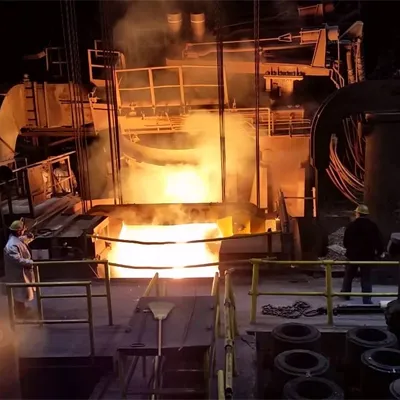
Such real-time information enables the plant operators to change the processing in real-time to avoid possible errors or defects. For instance, sensors placed on the furnaces can be used to control the temperature so that the steel is rightly heated which is a significant factor in achieving the right quality of steel.
Through monitoring processes smart sensors minimize the reliance on inspection checks that are otherwise tedious and susceptible to errors. This results to shorter production time and minimal time taken for repair or replacement of defective machines or equipment.
2. Improved Quality Control
It is a critical activity because steel requires quails and standards to be met so as to meet the required standards. Due to the use of smart sensors, quality control of the properties of steel is made easier since the data stream is constant during the whole process of production. Sensors can also detect thickness, strength and composition of steel and this will become very useful especially where the thickness, strength and composition of the steel has been compromised or where it does not meet the required standard.
For example, during the production of the steel, one can feel or identify that the steel has certain defect like cracks or uneven surfaces by using sensors. By noting these problems at this stage, the manufactures could rectify the problem or make corrections so that they do not end up with costly solutions such as recall of the product.
3. Energy Efficiency and Cost Reduction
There is evidence that energy efficiency enhancement and cost reduction are some of the significant advantages that are associated with integrating smart sensors in steel production. Sensors assist in the management of energy in operations that are known to be very costly such as heating and cooling. Smart sensors also help realize more effective energy utilization where energy is used only where and when needed hence resulting in energy saving.
Besides, sensors ensure that continuous production is achieved without having to make steel that does not meet the required standard. This opportunity means that issues are detected in their early stages hence preventing large amounts of material from being scrapped or having to undergo a retrial. It also helps to reduce the production costs in the development process, thus saving resources.
4. Predictive Maintenance
Smart sensors allow for noting signs of wear and tear and, generally, help in avoiding critical failures in the rolling equipment required for steel construction. Predictive maintenance on the other hand employs sensor information to provide likelihood of machine or component failure and plans for a repair before a complete failure takes place. In steel production for instance where the equipment work under very harsh conditions this can help avoid the unwarranted downtimes.
For instance, sensors can measure the amount of depreciation that a machinery say a rolling mill or furnace has undergone and notify the operator of the need to service. This helps to reduce the risks that may be associated with breakdown of different equipment which if not properly monitored may result in a lot of production delays.
5. Data-Driven Decision Making
Smart sensors can capture information that assists in the improvement of the concerned manufacturing process that is ongoing. Hence, steel manufacturers can use scientific patterns and trends to make sound decisions and implement change so as to enhance organizational efficiency and minimize loss. This procedure enables the manufacturers to make changes where they are most required and produce high quality products besides enhancing efficiency.
Besides, the fusion of smart sensors with AI and ML can still improve the decision process. Real-time analysis of the data collected by various sensor is possible using AI-powered systems, which include suggestions for adjustments of production processes.
6. Sustainability and Environmental Impact
Smart sensors in the manufacturing process of steel also play a role of sustainability since energy consumption is low and wastage is also reduced. Growing environmental concerns have led to higher standards of environmental regulations, and this has put pressure on this steel manufacturers to try and minimize on emission of carbon. These regulations are met by smart sensors since they are able to increase the overall efficiency and reduce emissions.
For instance, it can measure the quantity of emissions during production, with a view of ascertaining that it is within the acceptable levels. Smart sensors also ensure that steel manufacturers use energy efficiently and avoid wastage hence lowering the damaging effects on the environment.
Conclusion
The use of smart sensors in the manner that they are used in manufacturing steel and as a quality control mechanism is rapidly changing the industry. In productivity, quality assurance, predictive maintenance, and sustainability, smart sensors are providing the means of cost-effective value creation and fulfilling the need of the steel manufacturers to produce better quality with relatively less harm to the surroundings. As technology and industry evolves, smart sensors in steel industry will have heightened importance and a path to a more efficient production domain.
 Media Pack Download
 Newsletters
 Industrial Events