Energy Efficiency in Steel Tube Mills: Strategies for Sustainable Production
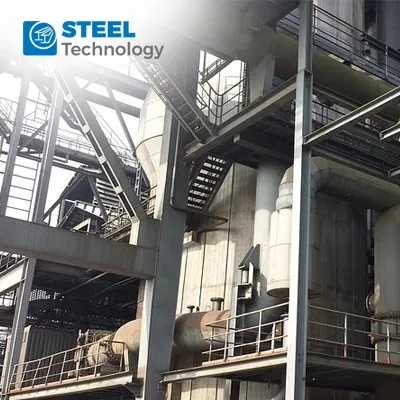
Today, steel tube mills are widely used and also occupy the important position in many sectors, including construction field and auto production line. Though they are efficient methods of doing business, they are equally used in excess energy consumption leading to emission of greenhouse gases. Improving the efficiency of energy utilization in steel tube mills is crucially important to decrease negative consequences on the environment, improve the overall performance index at a minimum cost, and meet the set sustainable manufacturing objectives. This article discusses energy conservation measures available for application in steel tube mills in a bid to come up with best practices that may be implemented to enhance efficiency.
1. Optimizing Furnace Operations
Steel tube mills are known to be among the biggest power consumers and, as such, are ranked high as potential candidates for power savings. Optimizing of furnace temperature control is one of the effective trends of improvement. In one way, holding the temperature of the furnace at the right level means wastage of energy is eliminated. From it, settings with intelligent control systems and monitoring can effectively keep heaters’ temperatures stable, requiring less frequent changes hence using less energy.
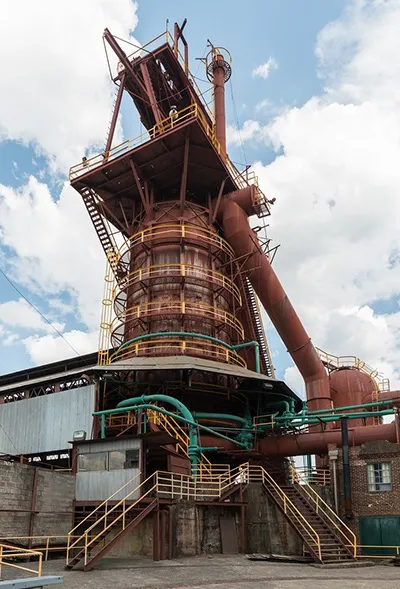
Another technology control is to recuperate waste heat in the furnace. Waste heat recovery systems work by capturing the heat that would otherwise be wasted and using it for other processes which in the process lowers the energy consumption. This is mainly recovered and can be used to preheat raw materials before feeding them to the process or to generate steam for various processes within the particular mill.
2. Implementing Efficient Motors and Drives
Raw materials such as steel tubes are processed in steel tube mills and electric motors and drives are used to operate machinery. Great amounts of energy could be saved through change to more efficient motors and drives. The high-efficiency motors draw less power to do the same amount of work - thus the huge energy saving after several cycles.
Some of the adjustable speed drives that can be used to enhance motor performance are variable frequency drives (VFDs). Besides, VFDs make it possible to set speed of the motor to the required degree for a certain process and assure correspondingly urged speed of the motor. This helps to conserve energy at a time the motor is not fully loaded hence enhancing efficiency in energy usage.
3. Enhancing Process Automation and Control
There is significant application of automation and control systems in enhancing energy conservation within steel tube mills. Sophisticated and intelligent technologies integrated with mills’ operating systems can help in savings that would otherwise be occasioned by energy wastage through human interferences. Automated process control systems try to capture actual data and in turn tweak them to minimize the energy utilization on a production line.
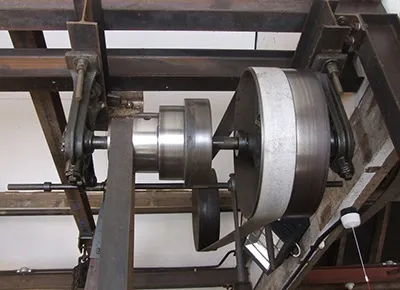
For instance, APC systems can be used to control rolling mills where the speed depends on the thickness of the steel, and the temperature of the roll and billet. Further energy saving can be done by incorporating automation systems where machines are automatically switched of when not in use.
4. Improving Insulation and Reducing Heat Loss
One major component of wasted energy within steel tube mills is that through heat losses. Increasing insulation of furnaces, pipes, and other high operating temperature equipment prevent very much heat loss m and ensure greater heat energy is trapped in the system. Thermal insulations of high standard should be employed to enshroud areas of high heat, in order to limit losses to the external environment.
Updates of the insulation are also important, and should be done on a regular basis. In the course of time, insulating materials wear out, which causes heat loss, etc. Mills should ensure that they conduct regular checks on the insulations, and where there is damage on the insulation, then they should ensure that they replace it to avoid wastage of energy.
5. Adopting Energy-Efficient Lighting Solutions
Lighting is probably not the most dominant segment of the energy consumption in a steel tube mill, nonetheless, it is one of the segments where the most energy should be saved. He noted that if people switched from the regular form of lighting to the energy efficient LED lights then they would be able to save a lot of energy and therefore bills. LEDs are longer-lasting, more energy-efficient than other lighting systems, and are therefore more economical for operators of mills.
Another way mills can reduce cost is through replacing the light fixtures to smarter ones that control the amount of light with regard to the amount of natural light in the room. This saves on the expenses of artificial lighting during the day which was an added expense for most buildings.
6. Utilizing Renewable Energy Sources
Another approach towards increasing sustainability in steel tube mills is the reduction of the reliance on fossil fuel based energy sources through the adoption of renewable energy sources. Renewable sources such as solar, wind and hydro power is achievable with machines like the solar panel and wind turbine that may supply the mill’s small portion of power, hence minimizing emission of greenhouse gases.
For example, solar, hot water for mill buildings can be harvested or electricity made by installed panels on roofs. It can be employed in powering various equipment’s, lighting and other electrical systems hence lowering down the overall CO2 emission of the mill. Also, there are possibilities for mills to buy renewable energy sources from third parties in order to increase sustainability.
7. Engaging in Energy Management and Continuous Improvement
Energy conservation is not a onetime agenda but a regular process of enhancement. It is recommended that all steel tube mills set up energy management plans that are meant to cover energy measurement and assessment together with controlling. It means establishing energy efficiency targets, performance indicators, and measures that may be needed to enhance the progress.
There is nothing wrong with mills performing energy audits as frequently as is reasonable in order to determine areas in which changes to their operations will have the greatest impact on a reduction in energy losses. Through embracing values such as sustainability, reporting, and speaking and through engaging the employees in energy sustainability efforts, the mills stand to benefit in long-term goals and would minimize on the impacts that it has on the environment.
Conclusion
There is a need to reduce energy intensity in steel tube mills so as to attain the goal of enhancing efficiency of the process. Based on a minimized furnace functioning; efficient motors and drives; adapted process automatization; improved insulation; energy-efficient lighting; developed use of renewable energy; and energy management steel tube mills can considerably minimize energy losses and a dangerous impact on the environment. These strategies do not only help to solve the problem of sustainability but also can bring additional profits, which helps to underline that energy efficiency is the advantage for the environment and the industry.
 Media Pack Download
 Newsletters
 Industrial Events